
AIMIX Group
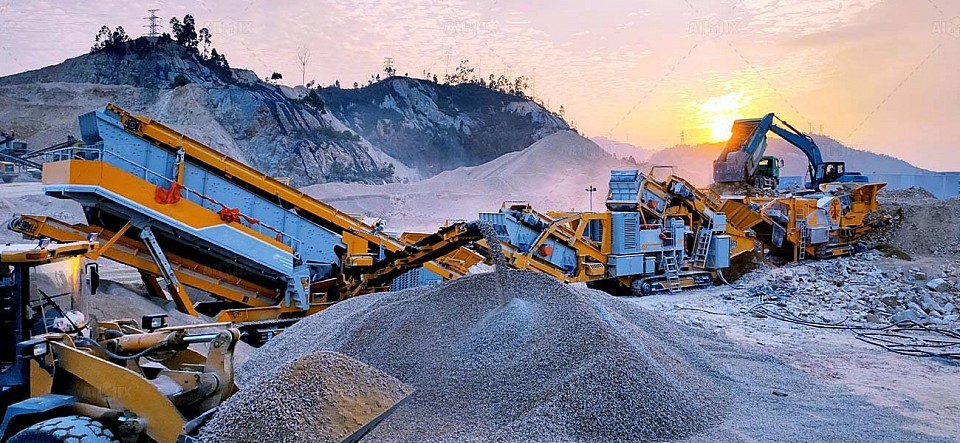
crusher plant
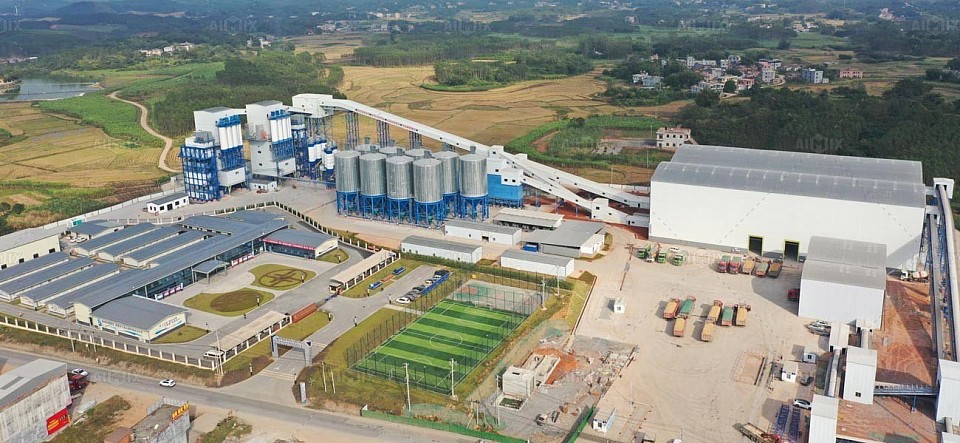
concrete plant
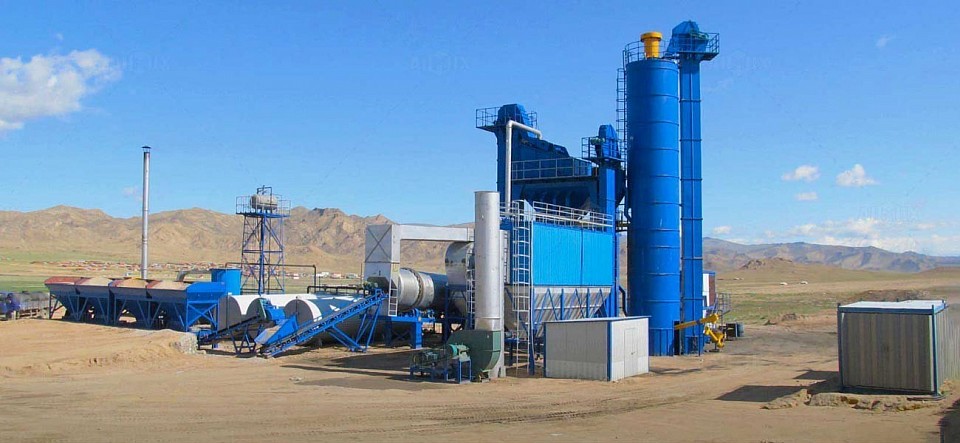
asphalt plant
About AIMIX
AIMIX Group is a customer-center-oriented heavy equipment manufacturer and supplier, devoted to production, innovation, combination, one-stop solution, etc.
AIMIX GROUP is the first choice for overseas and domestic customers to import construction machinery and equipment from China., which is founded in 2010.
AIMIX covers an area of 120,000 square meters, with a construction area of 60,000 square meters. There are more than 1000 staffs, among whom there are 16 engineers, more than 90 professional technicians, 60 administrative staff and 600 skilled workers.
We have been dedicated to providing our customers with cost-effective, safe, easy-to-operate, and easy-to-maintain construction machines such as concrete batching plants, concrete pumps, self-loading concrete mixers, and crushing plants.
We have exported our equipment to more than 100 countries, and the repeat rate of our regular customers has reached 15%, and the referral orders from our regular customers have reached 30%.
Is a 100 tph Asphalt Plant Enough for Producing Both AC14 and AC20 Gradations?
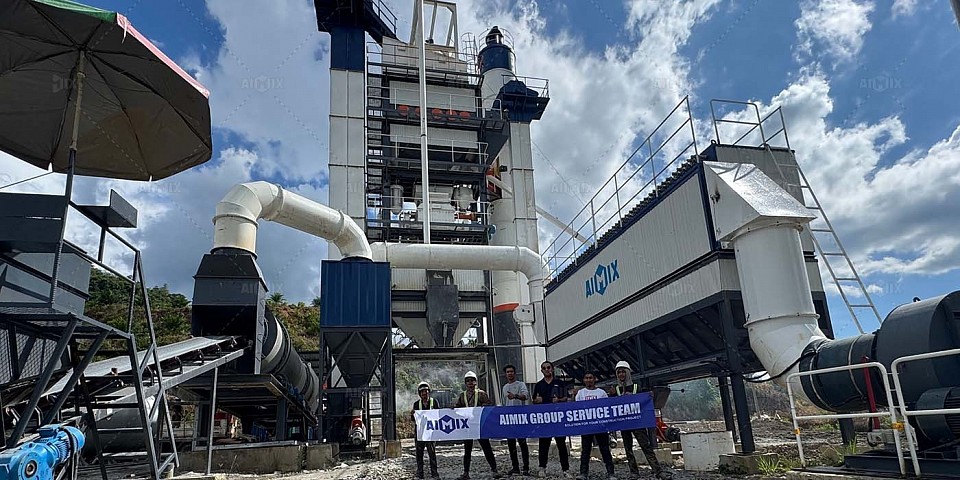
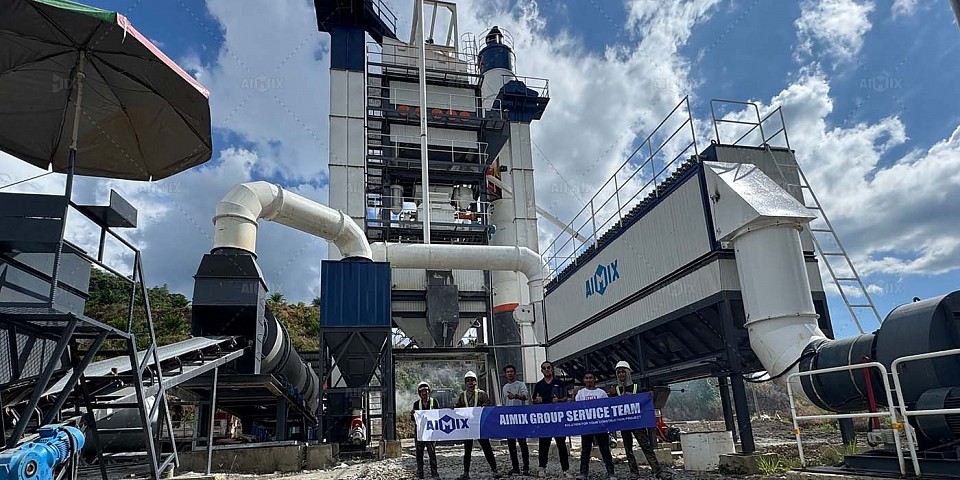
stationary asphalt mixing plant for sale in Malaysia
When contractors ask whether a 100 tph asphalt plant can handle both AC14 and AC20 production, they usually face tight project schedules, strict mix quality requirements, and fluctuating delivery demands. I often meet clients who think the answer depends only on capacity. But in real projects, the right choice depends on daily tonnage needs, switching frequency, binder temperature control, and the stability of the plant mix asphalt during continuous production. In this post, I want to share how I help customers evaluate this question based on real-world job-site challenges, not just theory.
Understanding What 100 tph Actually Means in Daily Production
Before comparing AC14 and AC20 output, we need a clear understanding of what 100 tph means in real operation. Many customers assume “100 tph” equals 100 tons every single hour, all day long. That sounds ideal, but actual production always fluctuates. Fuel moisture, gradation changes, and truck loading rhythm affect output. Therefore, I usually help customers calculate their real 8–10-hour shift capacity instead of relying on nominal values.
On average, a 100 tph plant produces about 700–850 tons per shift. This number matters when you handle multiple gradations. Because every change in recipe costs time, you must ensure the plant still meets the required daily tonnage after each adjustment. This sets the foundation for the next question.
Why AC14 and AC20 Scheduling Matters
Clients who produce both AC14 and AC20 often serve different parts of the same project. AC14 works for surface layers. AC20 works for base layers. Switching between them must be smooth. If the plant stops too often for cleaning or adjustments, daily output drops fast. Therefore, the calculation is not only about hourly capacity but also about how many times you change mix designs.
Comparing Material Requirements for AC14 vs. AC20
Once you understand the real output of a 100 tph plant, the next step is to compare the technical requirements of AC14 and AC20. Although both belong to the AC series, their gradations differ. AC20 uses coarser aggregates. AC14 uses more fine aggregates. This difference affects the drying drum load, mixing time, and final temperature control.
These technical factors also influence how stable your production stays during recipe changes. For example, AC20 requires strong drying performance because of the larger stone fraction. Meanwhile, AC14 requires more accurate fine aggregate proportioning. As a result, a hot mix plant that performs well at 100 tph in AC20 may not reach the same output in AC14 unless the cold aggregate feeding and weighing systems stay very stable.
How Switching Between Mixes Impacts Output
Every customer I meet wants smooth switching. But in real operations, switching between AC14 and AC20 often requires changing cold bins, adjusting the filler rate, and recalibrating binder flow. During this process, effective capacity drops. That is why many contractors ask whether they should upgrade to 120 tph or 160 tph models. The answer depends on your expected switch frequency. If you switch only once per day, 100 tph is enough. If you switch 3–5 times daily, your plant may struggle to keep up.
How Much Daily Tonnage You Actually Need
After discussing mix characteristics, I always return to the fundamental question: How many tons do you need per day? Because the real decision comes from matching plant output with job-site requirements. For example, if a contractor must deliver 1,000–1,200 tons of AC14 and AC20 daily, a 100 tph plant reaches its limit quickly. But if daily demand stays between 600 and 900 tons, a 100 tph plant works with space to spare.
To help customers choose, I break down the math in a simple structure:
Example Daily Calculation
Shift length: 9 hours Real productivity: 80–90% of nominal capacity Nominal capacity: 100 tph
So the real daily output = 100 tph × 9 hours × 0.85 ≈ 765 tons.
If your project needs both AC14 and AC20 on the same day, you must split this total. If AC14 takes 350 tons and AC20 takes 300 tons, the plant can handle this with one switch. But if the project demands higher volumes, your plant must run longer or upgrade capacity. That is why understanding your daily demand helps you decide more accurately.
Evaluating Real-World Factors That Reduce Capacity
Even when the plant theoretically meets your requirements, practical job-site conditions may lower capacity. I always remind customers to consider these overlooked factors because they affect performance every day.
1. Moisture Content
High moisture in your aggregates slows drying. It reduces effective output. Some customers lose 10–20% capacity during the rainy season. If your site faces frequent rainfall, a 120 tph plant may give a safer margin.
2. Truck Dispatch Rhythm
A plant can only run as fast as the trucks carry the asphalt away. If trucks return slowly, the plant stops. This again reduces real output. So capacity calculations must match your logistics, not just the plant’s specs.
3. Mix Design Complexity
Some AC14 and AC20 formulas need higher filler content or complex gradations. These add load to the weighing and mixing systems. So, even with the same plant size, output varies among projects.
So, Is a 100 tph Asphalt Plant Enough?
By combining all these factors, I help customers reach a clear conclusion. A 100 tph asphalt plant is enough if:
Your daily output stays under 800–850 tons.You change mixes only once or twice per day.Your aggregates have low to medium moisture.Your logistics match the plant’s production flow.
However, if your project requires high volumes of both AC14 and AC20 at the same time, or if you switch very often, a 120 tph or 160 tph plant brings more flexibility and less production pressure. This upgrade also helps maintain mix quality because the plant doesn’t need to run at its upper limit all day.
How I Help Indonesian Customers Make the Right Decision
Since I work closely with Indonesian contractors, I know that roadworks in Indonesia often involve mixed layer construction. Many clients must deliver base and surface materials within the same week. Some even change mix several times daily. Therefore, I always evaluate the project location, haul distance, weather, and mix design before recommending a plant size. Because each project is unique, the best choice comes from understanding your real daily challenges.
I provide site layout suggestions, production planning, and logistics support. This ensures the plant runs smoothly from day one. When customers choose a bigger plant, they usually want more long-term stability, not just higher capacity.
Ready to Choose the Right Asphalt Plant for AC14 and AC20?
Now you have a clear, real-world understanding of how a 100 tph asphalt plant performs when producing both AC14 and AC20. If you want to check whether your current project needs a 100 tph, 120 tph, or 160 tph asphalt plant, I can help you evaluate it based on your actual daily tonnage, switching frequency, weather, and mix requirements. A correct decision saves time, reduces mistakes, and stabilizes your asphalt supply.
If you want me to calculate your project’s real daily needs or recommend a suitable asphalt plant model for Indonesia, just contact me. I’m ready to help you plan your plant capacity and support your project from installation to after-sales service. Learn about our asphalt plant price at right!
Is a 120 t/h Asphalt Mixing Plant Suitable for Desert Projects in Saudi Arabia?
Saudi Arabia’s desert environment presents unique challenges for construction projects. From extreme heat to shifting sands, every equipment choice can significantly affect project efficiency. One question frequently asked by project managers is whether a 120 t/h asphalt manufacturing plant is suitable for desert road construction projects. In this article, we will explore the advantages, considerations, and practical recommendations to help you make an informed decision.
Understanding Desert Construction Challenges
Before evaluating the suitability of a 120 t/h asphalt mixing plant, it is crucial to understand the specific challenges of desert construction. The desert climate in Saudi Arabia is characterized by high temperatures, frequent sandstorms, and significant temperature fluctuations between day and night. These conditions can affect both the quality of asphalt and the performance of machinery.
Extreme Heat and Material Handling
High daytime temperatures can lead to rapid cooling of asphalt once it is mixed. Asphalt needs to maintain a certain temperature to ensure proper binding and durability. A 120 t/h asphalt batch plant near me, with its moderate production capacity, can reduce the time asphalt spends in transport. This ensures that hot asphalt reaches the paving site efficiently, minimizing cooling issues and improving road quality.
Sand and Dust Interference
Sandstorms and dust are common in Saudi deserts. Dust particles can contaminate aggregates and affect the quality of asphalt. Therefore, a plant used in desert areas must have effective dust collection systems and sealing measures. A well-maintained 120 t/h plant can be equipped with advanced dust filters and closed conveyors, ensuring that material quality remains consistent despite environmental challenges.
Why a 120 t/h Asphalt Plant Might Be Ideal
Choosing the right plant capacity depends on project scale, logistics, and workforce. Here are reasons why a 120 t/h asphalt mixing plant could be suitable for desert projects.
Balanced Production Capacity
A 120 t/h asphalt plant offers a moderate production rate. It is high enough to support medium-scale road projects without overwhelming transportation or labor resources. At the same time, it avoids excessive idle time or underused equipment. This balance ensures cost efficiency and smooth project progression.
Flexibility and Mobility
Desert projects often involve remote locations and moving construction sites. A 120 t/h hot mix plant for sale is generally more compact than larger models, making relocation easier. Many modern plants are designed for mobility, allowing quick setup and teardown, which is particularly useful when road segments are dispersed across desert regions.
Energy Efficiency
Operating in desert areas requires equipment that consumes energy efficiently. A 120 t/h asphalt plant typically requires less fuel and power than larger capacity plants. This reduces operational costs and minimizes the environmental footprint of construction activities, which is an important consideration in Saudi Arabia’s sustainable infrastructure initiatives.
Considerations for Desert Environment Operations
Despite the advantages, certain factors must be considered to ensure optimal performance of a 120 t/h asphalt plant in the desert.
Water Supply and Cooling
Asphalt production often involves water for dust suppression and cooling. Desert areas can have limited water resources, so planning for water supply is critical. Investing in water-saving systems or recycling mechanisms can help maintain smooth operations without overburdening local resources.
Maintenance and Durability
The desert environment can accelerate wear on equipment. Sand and high temperatures can cause abrasion, clogging, and overheating. Regular maintenance, use of high-quality lubricants, and protective measures for sensitive components will extend the lifespan of a 120 t/h asphalt plant and prevent costly downtime.
Workforce Training
Even the best equipment requires skilled operators to perform efficiently. Training local personnel on desert-specific challenges, such as handling hot asphalt and operating dust control systems, is essential. A well-trained team ensures that the plant operates at its full potential, even in harsh conditions.
Case Study: Medium-Scale Desert Road Projects
Consider a typical 50 km road project in Saudi Arabia’s desert region. Project planners require consistent asphalt quality, timely delivery, and cost-effective operations. A 120 t/h asphalt plant can produce sufficient asphalt to support daily paving targets. Its mobility allows sections of the plant to be relocated closer to different construction sites, reducing transport time and preserving asphalt temperature.
Furthermore, its moderate size simplifies maintenance and reduces fuel consumption compared to larger plants. Dust control measures and heat-resistant components ensure reliable operation even during sandstorms or extreme daytime temperatures. Overall, the plant provides an ideal balance of efficiency, quality, and cost control.
Comparing Alternative Capacities
Some project managers consider larger plants, such as 160 t/h or 240 t/h models. While these plants offer higher production, they also demand more space, fuel, and workforce management. For medium-scale desert projects, oversized plants may lead to inefficiencies and increased costs. Conversely, smaller plants under 100 t/h might struggle to meet paving demands, causing project delays.
Thus, a 120 t/h plant often represents the optimal middle ground. It balances production needs with operational efficiency, particularly in remote desert locations where resources are limited and environmental conditions are challenging.
Tips for Maximizing Plant Efficiency in Desert Conditions
To ensure that a 120 t/h asphalt plant performs optimally in Saudi Arabia’s deserts, consider the following practical tips:
Install dust-proof covers on conveyors and storage bins to prevent sand contamination.Schedule maintenance during cooler hours to reduce heat-related wear and tear.Use insulated transport trucks to maintain asphalt temperature during delivery.Implement water recycling systems to conserve limited resources.Train operators to respond quickly to environmental challenges, such as sudden sandstorms.
By following these strategies, you can enhance plant efficiency, reduce downtime, and maintain consistent asphalt quality throughout the project.
Conclusion: Is a 120 t/h Plant Right for Your Project?
Based on practical experience and desert-specific considerations, a 120 t/h asphalt mixing plant is indeed suitable for medium-scale projects in Saudi Arabia. Its moderate production capacity, mobility, energy efficiency, and adaptability make it ideal for desert road construction. However, success depends on careful planning, proper maintenance, and trained personnel.
For project managers looking to achieve high-quality asphalt paving in challenging desert conditions, investing in a 120 t/h plant can deliver both performance and cost-efficiency. By combining the right equipment with strategic operational practices, you can complete projects on time, within budget, and with superior asphalt quality.
Partner with Experts for Desert Asphalt Projects
At AIMIX Group, we provide reliable 120 t/h asphalt mixing plants designed for desert environments. Our team offers technical support, installation guidance, and maintenance training tailored to Saudi Arabia’s unique conditions. Choose AIMIX to ensure that your desert construction projects run smoothly, efficiently, and successfully.
Contact us today to discuss your project requirements and learn how our 120 t/h asphalt mixing plants can meet your needs.
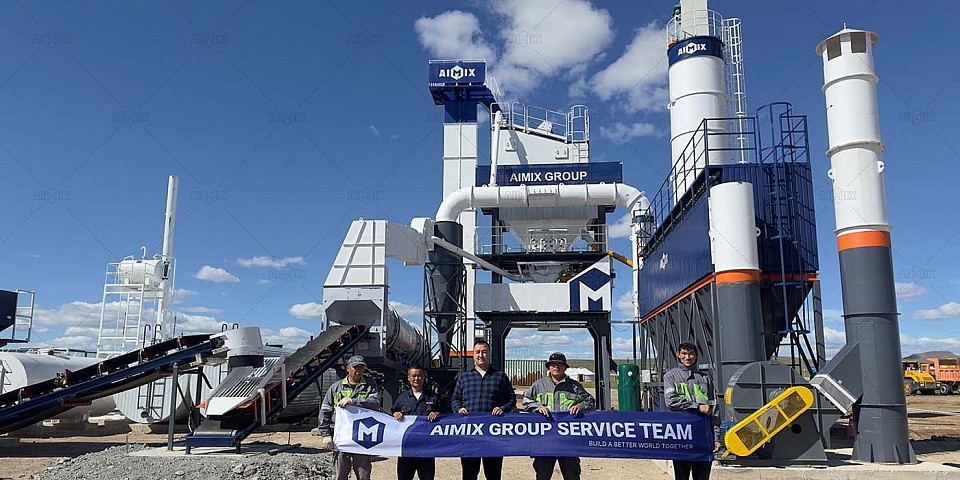
120 asphalt batch plant for sale
What asphalt plant setup is best for private road contractors in Nigeria?
Nigeria’s private road construction market is growing fast. Industrial parks, real estate estates, mining access roads, logistics hubs, and PPP road projects all need reliable asphalt supply. For private road contractors, the key question is no longer “Do we need an asphalt plant in Nigeria?” but “What asphalt plant setup actually fits our projects, budget, and operating conditions?”
This article answers that question from a contractor’s point of view. We focus on real project needs in Nigeria, not textbook theory. We connect plant types, capacities, and configurations to daily construction challenges. By the end, you will clearly understand which asphalt plant setup makes sense for your business—and why.
Understanding The Reality Of Private Road Projects In Nigeria
Before choosing any equipment, contractors must first look inward. Project reality should guide plant selection, not supplier brochures.
Private road contractors in Nigeria often face mixed project profiles. One month may involve a 5–10 km industrial road. The next may include internal estate roads or rehabilitation work. Therefore, flexibility matters.
At the same time, Nigeria presents specific constraints. Fuel costs fluctuate. Power supply can be unstable. Skilled operators are limited in some regions. Transporting oversized equipment across states may face delays.
Because of these factors, the “best” asphalt plant setup is not the biggest or the most advanced. Instead, it is the setup that balances output, stability, cost, and ease of operation.
With this context in mind, let’s examine the main decision factors step by step.
Choosing The Right Asphalt Plant Type: Batch Or Drum?
The first major decision is plant type. This choice affects asphalt quality, operating flexibility, and long-term business growth.
In simple terms, asphalt plants fall into two categories: batch type and drum mix type.
Why Batch Asphalt Plants Suit Most Private Contractors
For many private road contractors in Nigeria, batch asphalt plants offer clear advantages.
First, batch plants provide better mix control. Contractors can adjust aggregate proportions, bitumen content, and filler ratios for different projects. This flexibility helps meet varying client specifications.
Second, batch plants produce more consistent quality. Each batch is weighed and mixed separately. As a result, quality control becomes easier, especially for projects inspected by consultants or government partners.
Third, batch plants support future upgrades. If your business grows, you can add hot mix storage silos, RAP systems, or dust control upgrades.
Because of these strengths, batch asphalt plants are often the preferred choice for contractors who want stable growth rather than short-term savings.
When Drum Mix Plants May Still Make Sense
That said, drum mix plants are not wrong in every case.
If your projects focus on long stretches of road with the same mix design, drum plants offer simplicity. They usually cost less upfront. They also consume less power in some configurations.
However, drum plants provide limited flexibility. Mix changes require more adjustment time. Quality control can also be harder for variable projects.
Therefore, for private contractors who handle diverse jobs, batch plants usually provide better long-term value.
Now that plant type is clearer, the next step is capacity selection.
How To Select The Right Production Capacity
Capacity defines how much asphalt you can produce per hour. Choosing the right size directly affects profitability.
Too small, and projects drag on. Too large, and fixed costs rise quickly.
Typical Capacity Ranges For Nigerian Private Contractors
Most private road contractors in Nigeria operate within these ranges:
• 60–80 TPH: Suitable for small industrial roads, estate roads, and maintenance work.
• 100–120 TPH: Ideal for medium private roads and continuous contracts.
• 160 TPH And Above: Better for large-scale PPP or long-term concession projects.
In practice, many contractors find 100–120 TPH to be the sweet spot. This range balances output with investment cost.
Matching Capacity With Paving Speed
Capacity should also match your paving equipment.
If your asphalt paver machine lays 300–400 tons per day, a 100 TPH plant is sufficient. If paving speed increases, the plant must keep up.
Therefore, capacity decisions should consider the entire paving system, not just the asphalt plant alone.
Once capacity is defined, plant mobility becomes the next logical factor.
Fixed Or Mobile Asphalt Plant: Which Is Better?
Plant installation style affects logistics, relocation cost, and operational flexibility.
Why Fixed Plants Suit Long-Term Private Projects
Fixed asphalt plants work best when projects stay in one region for years.
They offer higher stability. They allow larger storage silos. They also support higher output with less wear.
For contractors serving industrial zones or urban developments around Lagos, Abuja, or Port Harcourt, fixed plants often make sense.
When Mobile Or Modular Plants Add Value
However, not all private projects are centralized.
For contractors working across multiple states, modular asphalt plants reduce relocation time. They break into transportable units. Installation becomes faster.
This flexibility can lower downtime between projects. As a result, cash flow improves.
Thus, the best setup depends on project geography. Stability favors fixed plants. Mobility favors modular designs.
Key Configuration Elements That Impact Daily Operation
Beyond plant type and size, configuration details determine how smoothly operations run.
Bitumen Storage And Heating System
Reliable bitumen heating is critical in Nigeria’s climate.
Thermal oil heating systems provide stable temperature control. They reduce bitumen aging. They also improve safety.
Electric heating may suit smaller tanks. However, fuel-fired systems often perform better in areas with unstable power supply.
Aggregate Feeding And Drying System
High moisture aggregates are common during rainy seasons.
Therefore, dryers should have sufficient capacity. Burner quality also matters. Efficient burners reduce fuel consumption.
Good cold aggregate bin design ensures smooth feeding. This reduces segregation and improves mix quality.
Dust Control And Environmental Compliance
Environmental awareness is rising across Nigeria.
Baghouse filters help control dust emissions. They also recover filler for reuse.
Clean operations improve community relations. They also protect long-term business licenses.
Operating Cost Considerations For Nigerian Contractors
An asphalt plant is not just a purchase. It is a long-term operating asset.
Fuel Consumption And Efficiency
Fuel is a major cost driver.
Efficient burners and insulated drums reduce consumption. Over time, these savings become significant.
Maintenance And Spare Parts Availability
Simple design improves uptime.
Locally available spare parts reduce downtime. Clear maintenance schedules protect investment value.
Choosing a supplier with regional support matters as much as choosing the machine itself.
Why Supplier Experience Matters As Much As Equipment
Even the best plant fails without proper support.
Experienced suppliers understand Nigerian site conditions. They adjust configurations accordingly.
They provide installation guidance. They train operators. They offer long-term service support.
As a result, contractors reduce operational risk and protect project timelines.
Recommended Asphalt Plant Setup For Most Private Road Contractors
Based on real project conditions, the following setup suits many Nigerian private contractors:
• Batch Type Asphalt Plant
• Capacity: 100–120 TPH
• Modular Or Semi-Fixed Design
• Thermal Oil Bitumen Heating
• Baghouse Dust Collection System
• Optional Hot Mix Storage Silo
This configuration balances quality, flexibility, cost, and scalability.
Conclusion: Building Roads And Building A Business
Choosing the right asphalt plant setup is not only about machines. It is about business strategy.
The best setup supports current projects while allowing future growth. It controls costs while maintaining quality. It fits Nigeria’s operating environment rather than fighting it.
Private road contractors who think long-term make smarter equipment decisions. They win more projects. They deliver better roads.
Why More Contractors Choose MACROAD
At MACROAD, we work closely with private road contractors across Africa.
We do not sell one-size-fits-all solutions. Instead, we design asphalt plant setups based on project scale, location, and budget.
From batch asphalt plants to modular configurations, our systems focus on reliability, efficiency, and long-term value.
If you are planning your next asphalt plant investment in Nigeria, MACROAD is ready to help you build roads—and a stronger business—step by step.
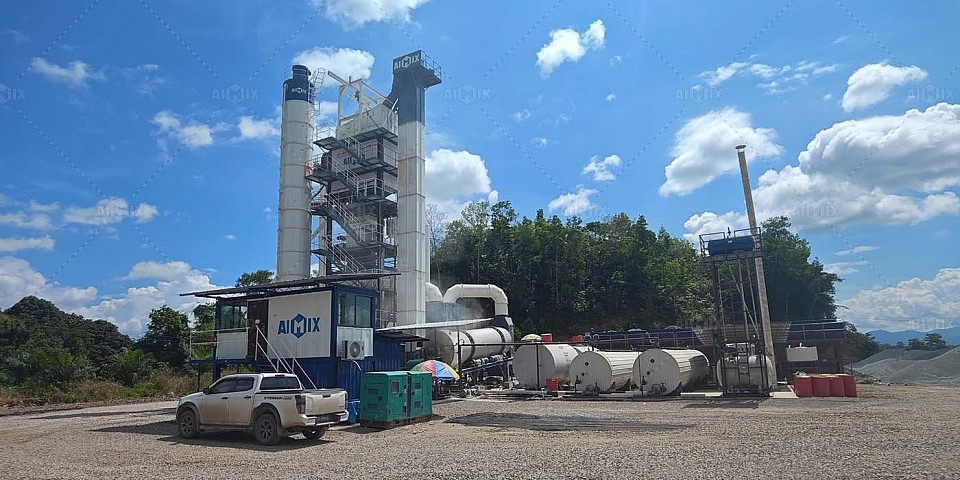
How Can Contractors Save 15-20% in Fuel Costs Using a 120 TPH Asphalt Plant for a Government Project in South Africa?
Fuel costs are one of the largest ongoing expenses in road construction projects, especially in regions like South Africa, where transportation distances are often long, and energy prices can fluctuate significantly. Contractors looking to reduce operational costs without compromising on quality or project timelines can benefit significantly from using energy-efficient asphalt plants. In this article, we will explore how using a 120 TPH energy-efficient asphalt plant equipment can help contractors save 15-20% in fuel costs for government infrastructure projects in South Africa.
The Growing Need for Cost-Effective Solutions in the Construction Industry
As infrastructure projects increase in scale and complexity, contractors are under constant pressure to optimize their operations. This is especially true in government projects where budgets are tight, and meeting deadlines is crucial. The construction sector in South Africa faces unique challenges, including volatile fuel prices and long transportation distances between the plant and job sites. For contractors, finding a way to mitigate these challenges while maintaining high standards is essential for staying competitive and profitable.
One of the most effective ways to achieve cost savings is by reducing fuel consumption during the asphalt production process. By investing in a 120 TPH energy-efficient asphalt plant, contractors can significantly lower fuel expenses, thereby improving their bottom line. But how exactly does an energy-efficient plant contribute to these savings? Let’s break it down.
Understanding the Benefits of a 120 TPH Energy-Efficient Asphalt Plant
-
Before diving into the specifics of fuel savings, it's essential to understand what makes a 120 TPH hot mix plant for sale energy-efficient. These plants are equipped with advanced technology designed to optimize fuel use and minimize waste. Here are the key features:
Improved Burner Technology: Energy-efficient asphalt plants use advanced burner systems that provide a higher combustion efficiency. This results in better fuel utilization, meaning less fuel is consumed to produce the same amount of asphalt.
- Heat Recovery Systems: Many energy-efficient plants are equipped with heat recovery systems that capture and reuse excess heat. This reduces the need for additional fuel to maintain the required temperature for asphalt production.
- Efficient Mixing Process: The mixing technology in energy-efficient plants is designed to minimize energy loss during the production process. This ensures that the plant operates at optimal efficiency, reducing fuel consumption.
- Intelligent Control Systems: Modern asphalt plants are equipped with intelligent control systems that monitor and adjust fuel usage based on real-time demand, further optimizing fuel efficiency.
With these technological advancements, a 120 TPH energy-efficient asphalt plant is not only capable of producing high-quality asphalt but also ensuring that fuel usage is minimized, contributing to long-term cost savings.
How Can Contractors Save 15-20% in Fuel Costs?
Now that we have a clearer picture of what makes an asphalt plant energy-efficient, let's take a closer look at how these features contribute to fuel savings. Contractors can save 15-20% in fuel costs through the following mechanisms:
1. Reduced Fuel Consumption During Asphalt Production
The most direct way energy-efficient plants reduce fuel costs is by consuming less fuel during the production process. Thanks to advanced burner technology and intelligent control systems, these asphalt plants in South Africa can produce asphalt more efficiently. As a result, contractors need less fuel to produce the same amount of asphalt, leading to a reduction in overall fuel consumption.
2. Optimized Heat Utilization
In traditional asphalt plants, a significant amount of heat is wasted during the production process. However, energy-efficient plants are equipped with heat recovery systems that capture this wasted heat and reuse it in the process. This reduces the need for additional fuel to maintain the required temperature for asphalt production, cutting fuel expenses by up to 20%.
3. Less Fuel for Transportation
Another key area where energy-efficient asphalt plants contribute to savings is in transportation. These plants are designed to be more mobile, allowing contractors to place them closer to the job site. By reducing transportation distances, contractors can save on fuel costs associated with moving raw materials and finished products between the plant and the site.
4. Reduced Maintenance Costs
Energy-efficient plants are built to be more reliable and durable, which means fewer breakdowns and less maintenance. This not only reduces downtime but also lowers the costs associated with repairs and maintenance, which indirectly contributes to fuel savings by keeping the plant running smoothly and efficiently.
Real-World Examples: How Energy-Efficient Asphalt Plants Have Benefited Contractors
Let’s look at some real-world examples to see how energy-efficient asphalt plants have helped contractors in South Africa and other regions. Contractors who have adopted 120 TPH energy-efficient asphalt plants have reported significant fuel savings, particularly on long-term government projects. By optimizing fuel use and reducing transportation costs, these contractors have been able to stay within budget and even offer more competitive pricing on future bids.
Case Study: A Government Road Construction Project in South Africa
One contractor working on a large-scale road construction project for the South African government saw a 17% reduction in fuel costs after switching to a 120 TPH energy-efficient asphalt plant. With the government’s focus on reducing infrastructure costs, this contractor was able to use the fuel savings to invest in additional equipment, improving the overall efficiency of the project.
This case demonstrates that energy-efficient asphalt plants offer not only immediate cost savings but also long-term operational benefits. Contractors who can leverage these savings are better positioned to win government projects and secure repeat business in a competitive market.
Why Choosing a 120 TPH Energy-Efficient Asphalt Plant Is a Smart Investment
For contractors in South Africa, where fuel costs can make up a significant portion of a project’s budget, choosing a 120 TPH energy-efficient asphalt plant is a smart investment. The benefits are clear: reduced fuel consumption, optimized heat utilization, and lower transportation costs. These savings can add up quickly, especially on large government projects where every penny counts.
Moreover, with the added environmental benefits of reduced emissions and energy consumption, contractors can align their operations with global sustainability standards, which is increasingly important to both government clients and the general public.
Conclusion: Take the First Step Toward Fuel Savings Today
Contractors in South Africa looking to optimize their fuel usage and reduce costs should seriously consider investing in a 120 TPH energy-efficient asphalt plant. By saving 15-20% on fuel costs, you not only improve your profitability but also enhance your competitive edge in the marketplace. With the added benefits of improved efficiency and reduced environmental impact, this investment will pay dividends for years to come.
Ready to make the switch? Reach out to us today to learn more about how a 120 TPH energy-efficient asphalt plant can benefit your next government project.
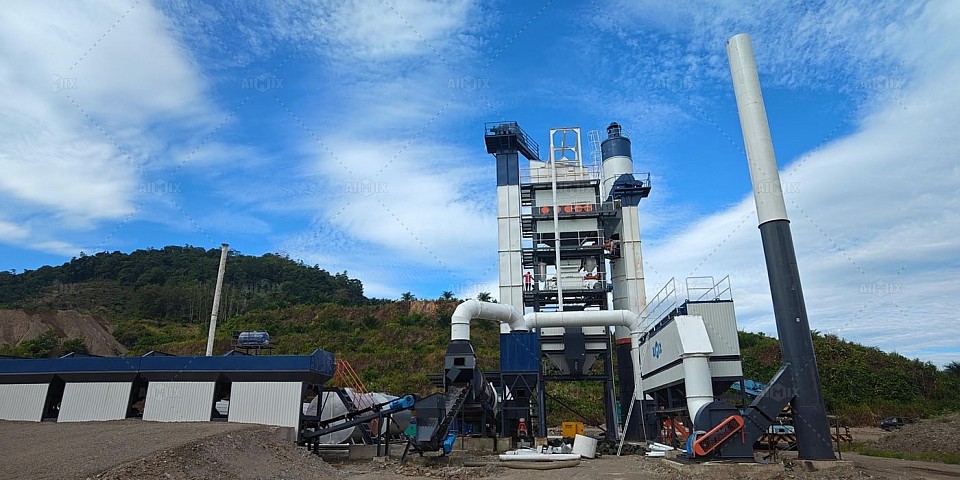
Is A Stationary 120 TPH Asphalt Plant Suitable For Long-Term Highway Projects In Saudi Arabia?
Highway construction in Saudi Arabia is moving fast. Large-scale infrastructure plans, long-distance road networks, and strict quality standards are shaping how contractors choose equipment. Among these decisions, selecting the right asphalt mixing plant plays a key role in project success.
Many contractors ask a practical question: Is a stationary 120 TPH plant mix asphalt strong enough, stable enough, and cost-efficient enough for long-term highway projects in Saudi Arabia? The short answer is yes—but only if it matches your project scale, climate conditions, and operational strategy.
In this article, we break down the real factors that matter. We look at production capacity, environmental challenges, cost control, and long-term performance. More importantly, we analyze this question from your perspective as a contractor or project investor.
Understanding The Demands Of Long-Term Highway Projects In Saudi Arabia
Before choosing equipment, you need to understand what highway projects in Saudi Arabia really require. These projects are not short-term jobs. They often last 1 to 3 years or even longer. They also involve large daily asphalt output and strict paving schedules.
In addition, the working environment creates extra pressure on equipment performance.
High Production Requirements
Most highway projects require continuous asphalt supply. Daily demand can easily reach 800–1500 tons. A 120 TPH asphalt plant can produce around 960 tons in an 8-hour shift. If you run two shifts, output doubles.
Therefore, from a capacity perspective, a 120 TPH plant fits medium to large highway projects well.
Harsh Climate Conditions
Saudi Arabia presents extreme weather conditions. Temperatures often exceed 45°C. Sand and dust are common. These factors directly affect plant performance.
As a result, your asphalt plant must handle high heat, prevent dust intrusion, and maintain stable operation over long periods.
Long Transport Distances
Highway projects stretch across large areas. Asphalt must travel from plant to paving site. If the plant location is not optimized, transport costs increase.
This is why many contractors prefer stationary plants placed strategically near central project zones.
Now that we understand the project demands, let’s look at how a stationary 120 TPH asphalt plant performs under these conditions.
Key Advantages Of A Stationary 120 TPH Asphalt Plant
A stationary asphalt plant offers several advantages for long-term projects. Unlike mobile plants, it focuses on stability, durability, and consistent output.
Let’s explore why this matters for your project.
Stable And Continuous Production
First of all, stationary plants are designed for continuous operation. They use robust structural components and high-quality burners.
This ensures stable asphalt quality. It also reduces unexpected downtime.
For highway projects, consistency is critical. Even small variations in asphalt quality can lead to road defects later.
Better Control Of Asphalt Quality
Secondly, road construction plants offer more precise control systems. You can manage aggregate ratios, bitumen content, and temperature accurately.
This becomes important when working under strict Saudi highway standards.
In other words, better control leads to better road durability.
Lower Long-Term Operating Costs
At first glance, a stationary plant costs more than a mobile plant. However, over a long project cycle, the cost advantage becomes clear.
Fuel efficiency improves. Maintenance intervals become predictable. Spare parts last longer.
Therefore, for projects lasting over 12 months, stationary plants often provide better ROI.
However, advantages alone do not tell the full story. You also need to check whether 120 TPH is the right capacity for your specific project.
Is 120 TPH Capacity Enough For Your Highway Project?
This is the most important question. Capacity must match your daily paving plan. Otherwise, delays and cost overruns will follow.
Let’s break it down with practical scenarios.
Suitable Project Scenarios
A 120 TPH asphalt plant works well in the following cases:
- Medium-scale highway projects (10–50 km sections)
- Projects with daily paving targets of 800–1200 tons
- Multi-section construction where work spreads across zones
In these cases, the plant provides enough output without overspending on oversized equipment.
When You May Need Higher Capacity
However, not all projects fit this capacity.
If your project involves large expressways, or if daily paving exceeds 1500 tons, a 160 TPH or 200 TPH plant may be more suitable.
Otherwise, your team may struggle to meet deadlines.
Therefore, always align plant capacity with your actual project schedule.
Next, let’s look at another critical factor—adaptation to Saudi Arabia’s environment.
How A Stationary Asphalt Plant Performs In Saudi Conditions
Saudi Arabia’s environment creates real challenges. Your plant must operate reliably under heat, dust, and heavy workloads.
Fortunately, modern stationary asphalt plants can adapt well if configured correctly.
High-Temperature Resistance
Advanced burners and insulation systems help maintain stable production even in extreme heat.
This prevents overheating and ensures consistent asphalt mixing.
Dust Control Systems
Baghouse filters and dust collectors play a key role. They reduce emissions and protect internal components.
This is especially important in desert environments.
Durable Structural Design
Heavy-duty steel structures resist thermal expansion and long-term wear.
This ensures that the plant remains stable over years of operation.
As you can see, environmental adaptability is not optional—it is essential.
Now, let’s move to the financial side of the decision.
Cost And Return On Investment Analysis
Every contractor cares about cost. However, smart decisions focus on long-term value rather than initial price.
So, how does a 120 TPH stationary asphalt mixing plant perform financially?
Initial Investment
The upfront cost includes plant purchase, installation, and foundation work.
Stationary plants require more setup time compared to mobile units.
However, this investment supports long-term stability.
Operating Costs
Fuel consumption, labor, and maintenance define your daily expenses.
A well-designed 120 TPH plant can optimize fuel usage and reduce waste.
This directly improves profit margins.
Payback Period
For long-term highway projects, the payback period can range from 8 to 14 months.
After that, the plant starts generating strong returns.
Therefore, for projects longer than one year, this investment makes solid business sense.
Finally, let’s connect all these points into a clear conclusion.
Final Verdict: Is A Stationary 120 TPH Asphalt Plant The Right Choice?
In summary, a stationary 120 TPH asphalt plant is a practical and reliable solution for many long-term highway projects in Saudi Arabia.
It offers stable production, strong environmental adaptability, and cost efficiency over time.
However, the key lies in proper planning. You must match plant capacity with project scale. You must also ensure the plant is configured for high-temperature and dusty conditions.
When these factors align, the plant becomes a powerful asset rather than a limitation.
Take The Next Step For Your Highway Project
If you are planning a highway project in Saudi Arabia, now is the time to evaluate your asphalt production strategy.
Choosing the right plant can save costs, improve efficiency, and ensure long-term success.
Our team can help you analyze your project requirements, recommend the right configuration, and provide a customized solution that fits your budget and timeline.
Contact us today to get a tailored asphalt plant solution designed specifically for your project in Saudi Arabia.
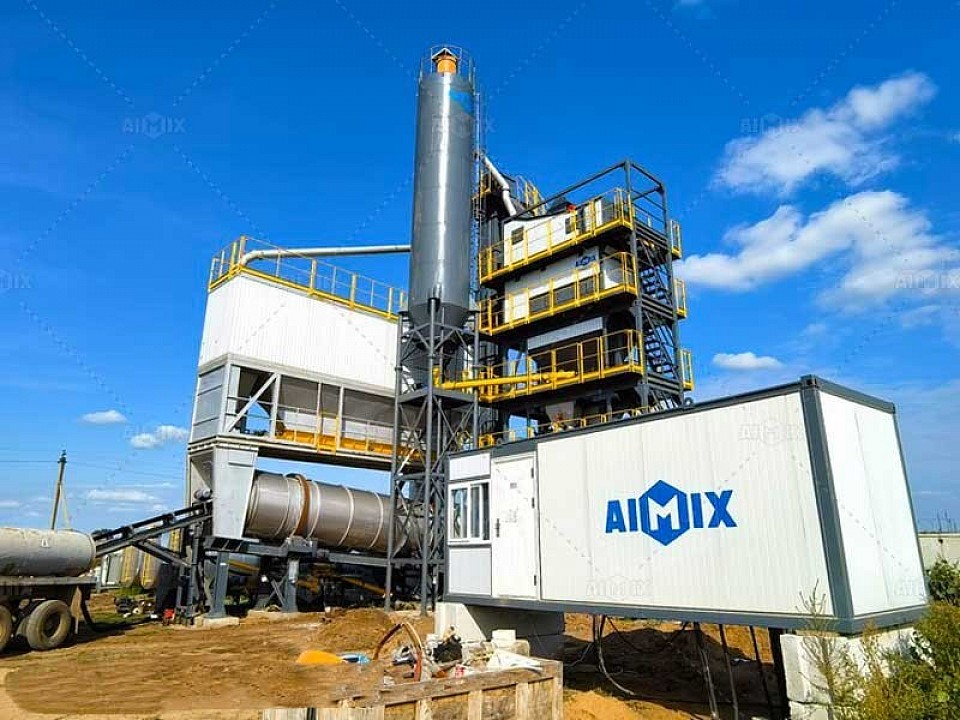
Can A 160 TPH Asphalt Plant With 30% RAP Support A 50 Km Highway Project In Nigeria?
“We don’t need the biggest asphalt plant. We need one that works every day, controls costs, and delivers consistent quality.” This is what many Nigerian contractors say when planning a long-distance highway project.
Now the question becomes practical: can a 160 TPH asphalt concrete mixing plant, equipped with 30% RAP (Reclaimed Asphalt Pavement), truly support a 50 km highway project in Nigeria?
The short answer is yes—but only if the configuration, planning, and operation strategy are right. In this article, we break it down from a real contractor’s perspective, using data, site logic, and local conditions.
Understanding The Real Demand Of A 50 Km Highway Project
Before choosing any asphalt plant, you must first understand the actual demand of the project. Otherwise, even a high-capacity plant can fail.
Let’s quantify a typical 50 km highway project in Nigeria.
Project Assumptions
- Road length: 50 km
- Lane width: 7–10 meters (2 lanes typical)
- Asphalt thickness: 8–12 cm (base + binder + surface)
- Asphalt density: ~2.3 tons/m³
Based on these numbers, total asphalt demand usually falls between:
70,000 to 120,000 tons
However, the key question is not just total volume. It is daily production demand.
Daily Production Requirement
If the project timeline is:
- 10 months (300 working days): ~230–400 tons/day
- 6 months (180 working days): ~400–670 tons/day
Now compare this with a 160 TPH asphalt plant:
- 8 working hours: 1,280 tons/day
- 10 working hours: 1,600 tons/day
Conclusion: A 160 TPH asphalt mixing plant in Nigeria provides more than enough capacity, even with downtime and logistics delays.
So capacity is not the limitation. The real question becomes efficiency and cost control. That’s where RAP plays a key role.
What Does 30% RAP Really Mean For Your Project?
Now that capacity looks sufficient, let’s move to cost and sustainability. This is where RAP becomes a game changer.
RAP allows you to reuse old asphalt materials. In Nigeria, this is especially valuable because bitumen and fuel costs are high.
Material Cost Savings
With 30% RAP, you replace 30% of virgin materials:
- Less bitumen consumption
- Less aggregate demand
- Lower transport cost
In practical terms:
Cost savings can reach 15%–25% per ton
For a 100,000-ton project, that means significant budget reduction.
Fuel And Energy Efficiency
Modern RAP systems use separate drying or recycling rings. This improves heat efficiency.
As a result:
- Fuel consumption drops by 10%–20%
- Burner load becomes more stable
- Production becomes more consistent
However, this only works if the RAP system is well-designed. Poor systems reduce output and quality.
So next, let’s evaluate whether 30% RAP affects plant performance.
Can A 160 TPH Plant Maintain Output With 30% RAP?
Many contractors worry about one thing: will RAP reduce actual output?
This is a valid concern. But the answer depends on the plant design.
Modern RAP-Integrated Asphalt Plants
A well-designed 160 TPH plant with RAP includes:
- Independent RAP feeding system
- Accurate weighing system
- Optimized mixing time
- Efficient heat transfer design
With this setup:
Actual output remains at 140–160 TPH
That means production loss is minimal.
Potential Risks To Watch
However, not all plants perform equally. You should watch for:
- Moisture content in RAP (common in humid regions)
- Poor screening of RAP materials
- Inconsistent RAP size
In Nigeria’s climate, RAP moisture can reach 5%–8%. This increases drying time.
Therefore, choosing a plant with strong drying capacity is critical.
Now that we understand performance, let’s move to logistics—another key factor in long highway projects.
How To Manage Logistics For A 50 Km Highway Project
Even if your plant performs well, poor logistics can delay the entire project.
For a 50 km highway, transport distance becomes a major challenge.
Centralized vs Mobile Setup
You have two main options:
1. Centralized Plant Setup
- Fixed location
- Easier management
- Lower setup cost
2. Mobile Or Relocatable Setup
- Move plant along project line
- Reduce hauling distance
- Improve asphalt temperature control
In Nigeria, road conditions and traffic can affect delivery time. Therefore, many contractors prefer semi-mobile plants.
Truck Requirement Estimation
For a 160 TPH hma plant:
- Each truck carries: 20–30 tons
- Required trucks: 8–15 units (depending on distance)
This ensures continuous paving without waiting time.
So logistics must match plant capacity. Otherwise, production efficiency drops.
Next, let’s evaluate quality—because highway standards are strict.
Can RAP Maintain Highway Quality Standards?
Cost savings are important. But quality decides project success.
So, can 30% RAP meet highway standards in Nigeria?
The answer is yes—if managed properly.
Quality Control Measures
To ensure quality, you must:
- Control RAP gradation
- Adjust bitumen content precisely
- Use proper mixing temperature
- Test mix design regularly
Modern control systems allow accurate proportioning. This keeps the final mix stable.
Suitable Applications
30% RAP is suitable for:
- Base course
- Binder course
- Surface course (with proper design)
However, for high-traffic highways, stricter quality control is required.
So while RAP works, it requires technical discipline.
Now let’s bring everything together into a practical decision.
Final Evaluation: Is This Configuration Right For You?
At this point, we can answer the original question clearly.
A 160 TPH asphalt plant with 30% RAP can fully support a 50 km highway project in Nigeria.
But success depends on several conditions:
Key Success Factors
- Stable daily production planning
- High-quality RAP processing system
- Efficient logistics and truck scheduling
- Strong quality control procedures
- Reliable plant performance in humid conditions
If these factors are in place, the plant not only meets demand—but also improves profitability.
In fact, many contractors choose this configuration because it balances:
- Capacity
- Cost efficiency
- Sustainability
- Flexibility
Why Contractors In Nigeria Are Moving Toward RAP Solutions
Finally, let’s look at market trends.
More Nigerian contractors now adopt RAP-based asphalt plants. The reasons are clear:
- Rising bitumen prices
- Increasing project competition
- Pressure to reduce costs
- Growing focus on sustainability
A 160 TPH plant with RAP fits perfectly into this trend. It is not too large. It is not too small. It is practical.
Start Your Project With The Right Asphalt Solution
Choosing the right asphalt plant is not just about capacity. It is about matching your project needs, budget, and long-term strategy.
If you are planning a 50 km highway project in Nigeria, a 160 TPH asphalt plant with 30% RAP offers a smart, proven solution.
It delivers strong output. It reduces costs. It supports sustainable construction.
Now the next step is simple:
Talk to a professional team. Share your project details. Get a customized solution based on your real conditions.
The right plant will not just support your project—it will improve your competitiveness in the market.
Contact us today to get a tailored asphalt plant solution for your next highway project.
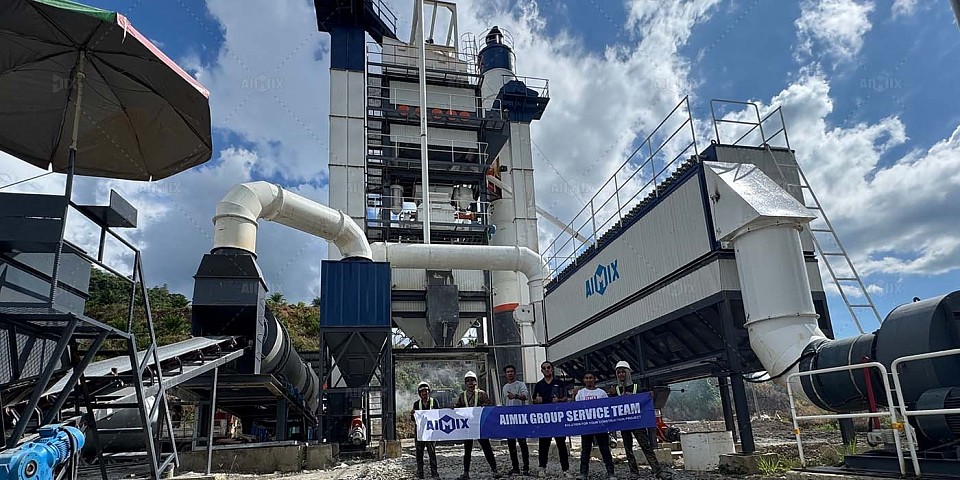
Can A 120 TPH Asphalt Plant Complete A 15 KM Bridge Approach Road In Brazil Within A Year?
Asphalt plants play a crucial role in road construction, especially when it comes to large-scale projects like building a bridge approach road. In Brazil, a 15-kilometer bridge approach road is no small task, and choosing the right equipment is essential to meet both quality and timeline requirements. One of the most common queries in the construction industry is whether a 120 TPH (Tons Per Hour) asphalt plant can complete such a project within a year. This post will explore the factors that affect the timeline, production capacity, and feasibility of using a 120 TPH plant mix asphalt for such large-scale infrastructure projects.
Understanding The Scope of The Project: Bridge Approach Road in Brazil
Before we dive into the specifics of the asphalt plant’s capabilities, it's essential to understand the scope of the project. A 15-kilometer bridge approach road requires precise planning, the right machinery, and skilled labor to ensure timely completion. The road must be durable, safe, and capable of handling heavy traffic loads. Brazil’s infrastructure needs are vast, and the construction of such a road demands efficiency in both the material production and laying processes.
The Importance of Choosing The Right Asphalt Plant
The success of any road construction project depends on selecting the right asphalt plant. A 120 TPH asphalt plant is considered medium-sized and is capable of producing enough asphalt to handle a substantial amount of road construction. But is it enough for a 15-kilometer bridge approach road?
In this context, it’s important to consider several factors that affect the plant's efficiency. These include the required quality of asphalt, the type of aggregate used, the climatic conditions, and the workforce's efficiency. With the right planning and equipment, a 120 TPH hot mix asphalt plant can be a game-changer for meeting tight deadlines.
How The 120 TPH Asphalt Plant Works
The 120 TPH asphalt plant is designed to produce up to 120 tons of asphalt per hour. This production capacity is typically sufficient for medium to large-scale projects, making it a popular choice for contractors working on significant infrastructure projects like bridge approach roads.
The plant operates through various stages of the asphalt production process, including the drying and mixing of aggregates, the addition of bitumen, and the final mixing to create a homogenous asphalt mixture. By maintaining consistent quality and ensuring efficient production, the 120 TPH asphalt plant can handle high-demand projects, provided it is operated properly.
Material Requirements for The 15 KM Bridge Approach Road
For a 15-kilometer bridge approach road, it is crucial to have the right amount and type of asphalt. The specific requirements will depend on factors such as traffic load, climate conditions, and the region's soil characteristics. Typically, the asphalt mix must meet specific technical standards, including durability, flexibility, and resistance to cracking. The 120 TPH asphalt plant offers the flexibility to create different asphalt mixes based on these requirements, allowing for the customization needed for such a project.
Assessing The Project Timeline: Can A 120 TPH Asphalt Plant Meet The One-Year Deadline?
Now, let’s address the key question: Can a 120 TPH asphalt plant complete the 15 KM bridge approach road in Brazil within a year?
On average, an asphalt plant can produce up to 120 tons of asphalt per hour, which translates to approximately 1,200 tons per day if operated at full capacity. If we consider the total length of the road and the estimated asphalt quantity needed, the next step is to calculate the required time for production and laying.
For a 15-kilometer road, the total asphalt requirement could be anywhere between 60,000 and 90,000 tons, depending on the thickness and depth of the asphalt layer. Given this quantity, a 120 TPH asphalt plant can theoretically produce the necessary asphalt in a few months of continuous operation, provided that the plant is well-maintained and the workforce is efficient. Of course, weather conditions, logistical issues, and material delivery times can impact this timeline, but with proper planning, it is possible to meet the one-year deadline.
Factors That Affect Timeline and Efficiency
Several factors must be taken into account to determine if the project can be completed within the designated timeframe: Continuous Operation: A 120 TPH asphalt plant needs to operate continuously for optimal efficiency. Any downtime, whether due to maintenance, material shortage, or weather conditions, could delay the project.Transportation Logistics: The timely delivery of materials to the construction site is crucial. Delays in the transportation of raw materials, such as aggregates or bitumen, can slow down production.Workforce and Crew: The size and skill of the workforce also play a significant role in meeting deadlines. The more experienced the crew, the more likely it is that production and paving will proceed smoothly.Weather Conditions: Brazil’s diverse climate can present challenges for construction projects. Rainy seasons or extreme heat can slow down the paving process and potentially affect the quality of the asphalt.
Conclusion: Is The 120 TPH Asphalt Plant The Right Choice?
In conclusion, a 120 TPH asphalt plant can indeed complete a 15-kilometer bridge approach road in Brazil within a year, provided that the plant is used efficiently and supported by a skilled workforce. Factors such as continuous operation, effective logistics, and favorable weather conditions will influence the overall timeline, but with careful planning, meeting the one-year deadline is a feasible goal.
If you're considering a 120 TPH asphalt plant for your next construction project, make sure to evaluate the specific needs of your project and the capabilities of the plant. With the right approach, a 120 TPH asphalt plant can be a powerful tool to ensure the timely completion of road construction projects.
Get In Touch With Us Today
Are you ready to take the next step in your infrastructure project? Contact the asphalt plant manufacturer today for more information about our asphalt plants and how they can help you complete your project on time and within budget.
What Is The Best Asphalt Plant For Emergency Road Repair After Floods?
Floods can destroy road networks in just a few hours. Bridges weaken, pavements crack, and entire sections become impassable. For contractors and government agencies, the real challenge starts after the water recedes. The priority is clear: restore traffic as fast as possible.
In this situation, asphalt production becomes a race against time. Therefore, choosing the right asphalt plant is not only a technical decision. It directly impacts recovery speed, project cost, and public safety. In this article, we explore what type of asphalt plant works best for emergency road repair after floods, and why it matters for real construction operations.
We will also look at what contractors actually need on site, how different plant types perform under emergency conditions, and how to make the most efficient investment decision when time is critical.
Understanding The Challenges Of Post-Flood Road Repair
Before selecting equipment, it is important to understand the working environment. Flood-affected areas create unique construction conditions that differ from normal road projects.
First, access roads are often damaged or partially blocked. Equipment must be transported quickly and set up with minimal preparation. Second, material supply chains are unstable. Aggregates, bitumen, and fuel may not arrive on time. Third, weather conditions remain unpredictable, which increases operational risk.
Because of these challenges, contractors need equipment that is fast, flexible, and easy to relocate. This is where the asphalt plant selection becomes critical. A slow or complex setup can delay the entire recovery project.
As a result, mobility and rapid deployment become more important than maximum production capacity. This leads us to the question: what type of asphalt plant fits these conditions best?
Key Requirements For Emergency Asphalt Plants
Not all asphalt plants are suitable for emergency road repair. In flood recovery projects, contractors usually prioritize four core requirements.
Fast Installation And Commissioning
The plant must be operational within days, not weeks. Every hour of delay increases traffic disruption and economic loss. Therefore, modular design and quick assembly are essential.
Mobility And Easy Relocation
Flood damage is rarely concentrated in one location. Repair works often move from one road section to another. So, the asphalt plant should be easy to transport and reinstall with minimal foundation work.
Stable Production Capacity
Even in emergencies, consistent asphalt quality is essential. Poor mix quality leads to early road failure, especially in wet or unstable subgrades left by floods.
Fuel And Material Flexibility
After disasters, fuel supply and raw materials may vary. A good plant should adapt to different fuel types and aggregate conditions without major adjustments.
Once these requirements are clear, we can compare different asphalt plant types and identify the best option for emergency scenarios.
Stationary Asphalt Plants Vs Mobile Asphalt Plants
There are two main categories of asphalt plants used in road construction: stationary and mobile. Each has strengths, but their performance in emergency situations is very different.
Stationary Asphalt Plants
Stationary plants offer high production capacity and long-term efficiency. They are ideal for large highway projects or continuous production over months or years.
However, they require strong foundations, longer installation time, and stable logistics. In flood recovery zones, these conditions are often not available. Therefore, stationary plants are usually not the first choice for emergency repair.
Mobile Asphalt Plants
Mobile asphalt plants are designed for flexibility. They can be transported in modules and installed quickly at or near the construction site.
In flood-affected regions, this advantage becomes critical. Contractors can move the plant closer to damaged road sections. This reduces transportation distance for asphalt mix and speeds up repair work.
Moreover, mobile asphalt mixing plant for road construction can reduce dependency on infrastructure. Even if local roads are partially damaged, equipment can still be deployed with fewer constraints.
Because of these advantages, mobile asphalt plants are widely considered the best solution for emergency road repair after floods.
Why Mobile Asphalt Plants Are Best For Flood Recovery
When we analyze real construction conditions, mobile asphalt plants consistently outperform stationary systems in emergency scenarios. The reasons are practical and directly related to field operations.
Rapid Deployment Saves Critical Time
Time is the most valuable factor after a flood. Mobile asphalt plants can be installed in a short period. This allows contractors to start asphalt production quickly and begin road restoration without long delays.
In many cases, this speed difference can reduce project downtime by several days or even weeks.
Closer Location Reduces Transport Cost
Flood-damaged roads often limit heavy truck movement. If asphalt must travel long distances, logistics become expensive and slow.
Mobile plants solve this issue by moving closer to the repair zone. As a result, trucks travel shorter distances, fuel consumption decreases, and overall efficiency improves.
Flexible Capacity For Different Repair Stages
Emergency road repair usually happens in phases. Initial patching requires smaller output, while reconstruction needs higher production.
Portable asphalt plants for sale can adapt more easily to these changing demands. Contractors can scale operations based on actual site conditions.
Better Adaptation To Unstable Site Conditions
Flood zones often have weak soil, uneven terrain, and limited foundation support. Mobile plants require less civil engineering work, which makes them more suitable for unstable environments.
Therefore, they reduce preparation time and minimize setup risk.
After understanding these advantages, it becomes clear why mobile asphalt plants are widely used in disaster recovery projects worldwide.
Recommended Mobile Asphalt Plant Types For Emergency Projects
Different mobile asphalt plant designs exist, and each one serves specific project scales. Choosing the right model depends on repair volume, location difficulty, and available resources.
Small Mobile Drum Asphalt Plants
These asphalt mixing plants mini are ideal for quick patch repairs and rural road recovery. They offer simple structure, fast setup, and lower investment cost.
Contractors often use them for temporary fixes where traffic needs to be restored immediately.
Medium Mobile Batch Asphalt Plants
Medium-capacity mobile plants provide better mix quality control. They are suitable for city road recovery after floods, where durability and precision are important.
They balance speed and quality, making them a popular choice for municipal contractors.
High-Capacity Mobile Asphalt Plants
Large mobile plants are used in major disaster zones with extensive highway damage. They provide continuous production and support large-scale reconstruction.
Although they require more logistics planning, they still offer mobility advantages compared to stationary systems.
As a result, contractors often select plant size based on the severity of flood damage and project urgency.
Operational Strategies For Emergency Asphalt Production
Even the best asphalt plant must be supported by strong operational planning. In emergency projects, execution strategy is as important as equipment selection.
Prioritize Critical Road Sections First
Contractors should focus on highways, hospitals access roads, and evacuation routes first. This ensures that essential transport resumes quickly.
Set Up Temporary Material Supply Chains
Since floods often disrupt logistics, teams should establish alternative supply routes. Local aggregates and temporary bitumen storage can reduce dependency on long-distance transport.
Deploy Mobile Teams Alongside Plants
Mobile asphalt plants work best with flexible construction teams. Multiple small crews can work in parallel to speed up road repair across different zones.
Monitor Mix Quality Continuously
Even in emergencies, quality control cannot be ignored. Poor asphalt quality leads to faster road failure, especially under wet conditions. Regular testing ensures long-term durability.
By combining efficient equipment with smart execution, contractors can significantly improve recovery speed after floods.
Economic Value Of Mobile Asphalt Plants In Disaster Recovery
From a business perspective, mobile asphalt plants also offer strong economic benefits in emergency projects.
First, they reduce downtime. Faster deployment means quicker project starts and faster revenue generation. Second, they lower transportation costs by shortening delivery distances. Third, they reduce idle time for labor and machinery.
Although initial investment may seem high, the return becomes clear in disaster scenarios where time savings directly translate into financial savings.
In addition, governments and contractors increasingly prefer rapid response capability. Therefore, owning a mobile asphalt plant can improve competitiveness in public infrastructure bids.
Conclusion: The Best Choice For Flood Emergency Road Repair
After analyzing real construction conditions, operational challenges, and economic factors, one conclusion is clear: mobile asphalt plants are the best choice for emergency road repair after floods.
They offer speed, flexibility, and adaptability in environments where traditional systems struggle. More importantly, they allow contractors to respond quickly when communities need infrastructure the most.
In disaster recovery, every hour matters. The right asphalt plant does not only produce material. It restores mobility, supports emergency services, and helps rebuild normal life faster.
Call To Action
If your projects often involve emergency road repair, flood recovery, or remote infrastructure work, choosing the right asphalt plant can significantly improve your performance.
We can help you select a mobile asphalt plant solution based on your production needs, site conditions, and project timeline. Contact us today to get a customized recommendation and fast quotation.
Build faster recovery. Restore roads sooner. And stay ready for every emergency challenge.
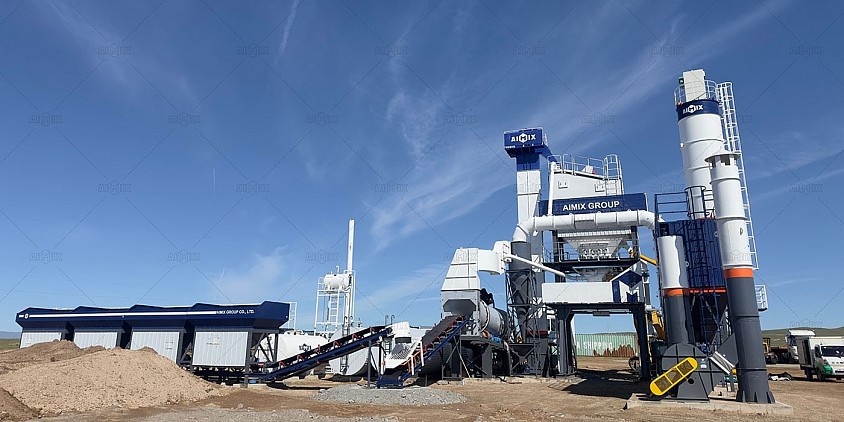
Is An 80 TPH Asphalt Plant Enough For Municipal Road Projects In Africa Or Southeast Asia?
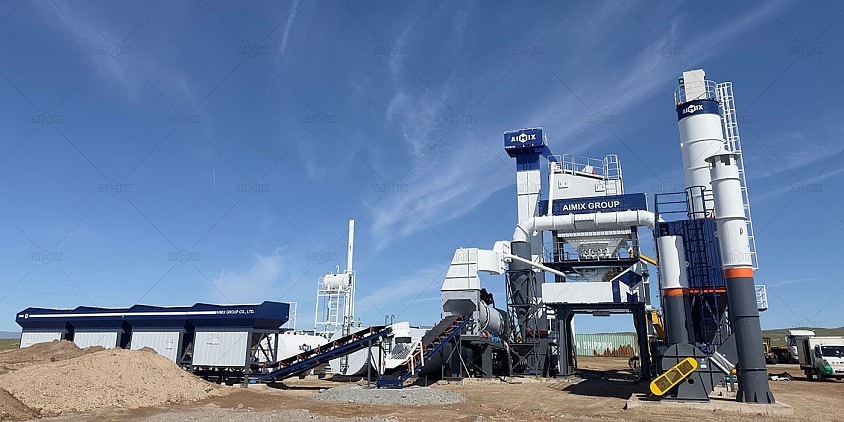
Municipal road construction in Africa and Southeast Asia is expanding fast. Cities are upgrading highways, connecting rural areas, and improving urban mobility. At the center of these projects is one key question: is an 80 TPH asphalt plant enough to support consistent municipal road production? The answer is not simple. It depends on project scale, daily demand, logistics, and construction strategy.
In this article, we break down real production needs, regional construction conditions, and practical decision factors. The goal is to help contractors, government suppliers, and investors choose the right asphalt plant capacity with confidence.
Understanding The Role Of An 80 TPH Asphalt Plant
An 80 TPH tarmac plant for sale means it can produce around 80 tons of asphalt mixture per hour under stable working conditions. In real construction environments, actual output often ranges between 60–80 TPH depending on material quality, operator experience, and weather conditions.
Before judging whether this capacity is enough, we must understand how municipal road projects consume asphalt. Unlike highways, municipal roads are usually shorter but more frequent, with multiple segments, maintenance cycles, and urban traffic constraints.
Therefore, production planning is not only about hourly output. It is also about daily continuity, transport distance, and paving speed coordination. This is where capacity planning becomes critical.
Municipal Road Demand In Africa And Southeast Asia
To evaluate capacity, we first need to understand real construction demand in these regions. Africa and Southeast Asia share similar characteristics, but they also differ in scale and logistics complexity.
In many African countries, municipal projects often focus on urban expansion and intercity road rehabilitation. Projects are usually medium-scale, ranging from 50 tons/day to 400 tons/day depending on funding cycles.
Meanwhile, Southeast Asia has more dense traffic environments and faster urbanization rates. Countries like Indonesia, the Philippines, and Vietnam often require continuous asphalt supply for urban roads, ring roads, and industrial zones.
Now, let’s connect this demand with production reality. This is where the 80 TPH capacity becomes meaningful.
How Much Can An 80 TPH Plant Actually Produce Per Day?
Let’s calculate in a practical way. If an 80 TPH plant runs efficiently for 6 hours per day, it can produce about 480 tons of asphalt. If it runs 8 hours, output reaches around 640 tons.
However, real-world construction rarely runs at maximum efficiency all the time. Breakdowns, weather delays, truck waiting time, and site coordination often reduce effective output by 15–25%.
So, a realistic daily output range is often:
400–550 tons per day under stable municipal project conditions.
This number becomes the foundation for decision-making. If your project demand falls within this range, an 80 TPH plant is often sufficient. If not, you may need a larger setup or multiple plants.
Next, let’s connect this output with actual project types.
When Is An 80 TPH Asphalt Plant Enough?
An 80 TPH asphalt plant is often a strong match for medium-scale municipal road works. It performs especially well when projects are divided into phases rather than continuous mega-road construction.
Suitable Project Scenarios
In Africa and Southeast Asia, the following project types usually fit well with an 80 TPH central hot mix plant:
• Urban road rehabilitation projects (2–10 km segments)
• Secondary road construction in cities
• Industrial park internal road systems
• Rural road upgrading programs
• Government-funded maintenance cycles
These projects often require flexibility more than extreme capacity. In such cases, 80 TPH provides a balanced mix of productivity and cost control.
However, once project scale increases or deadlines become tighter, the situation changes. That leads us to the next point.
When An 80 TPH Asphalt Plant Is Not Enough
Even though 80 TPH is widely used, it is not suitable for every situation. Large-scale infrastructure programs require higher output and continuous supply stability.
For example, if a project requires more than 800–1000 tons per day, an 80 TPH plant will struggle unless it runs multiple shifts with no interruption. That increases fuel consumption, labor cost, and equipment wear.
In addition, highway construction or expressway expansion often requires synchronized paving over long distances. In such cases, production bottlenecks can directly delay the entire project timeline.
Therefore, contractors should carefully evaluate project urgency, paving speed, and truck logistics before choosing plant capacity.
This leads us to a more important question: what factors really influence whether 80 TPH is enough?
Key Factors That Decide Capacity Suitability
Choosing the right asphalt plant is not just about tonnage. Several real-world factors directly influence performance and efficiency.
1. Project Scale And Timeline
Short-term municipal upgrades often work well with 80 TPH. However, long-term highway programs may require higher capacity to avoid delays.
2. Logistics And Transport Distance
If the asphalt plant is close to the construction site, fewer trucks are needed. This improves efficiency and makes 80 TPH more effective. If distance increases, production demand also increases.
3. Climate Conditions
In Southeast Asia, heavy rainfall can interrupt paving schedules. In Africa, high temperatures affect working windows. Both factors reduce effective production time, which impacts capacity planning.
4. Equipment Reliability
Stable performance matters more than theoretical output. A well-designed plant with consistent control systems often outperforms a higher-capacity but unstable unit.
This is why many contractors prefer reliable manufacturers, which focus on modular asphalt plant systems designed for field conditions.
Now that we understand the key factors, let’s compare regional differences.
Africa Vs Southeast Asia: Different Demands, Same Capacity Question
Although both regions share infrastructure growth trends, their construction environments differ significantly.
Africa: Flexibility And Cost Control Priority
In many African municipal projects, budgets are controlled tightly. Projects are often distributed across regions rather than concentrated in one mega-site. As a result, an 80 TPH plant is frequently enough to support multiple small-to-medium contracts.
Contractors value mobility, fuel efficiency, and easy maintenance more than extremely high capacity.
Southeast Asia: Speed And Continuous Output Priority
In Southeast Asia, especially Indonesia and Vietnam, traffic density and urban expansion require faster paving cycles. Here, an 80 TPH plant can still work, but only when logistics and supply chains are well organized.
Otherwise, contractors often choose higher capacity or mobile parallel plants to avoid downtime.
So, while the same 80 TPH equipment is used in both regions, the operational strategy changes significantly.
How To Maximize Efficiency Of An 80 TPH Asphalt Plant
Even if capacity is fixed, efficiency can still be improved. Many contractors underestimate optimization strategies that significantly improve output.
Improve Material Supply Stability
Consistent aggregate and bitumen supply reduces downtime. This directly increases effective production hours.
Optimize Truck Scheduling
If trucks arrive too early or too late, plant efficiency drops. A balanced dispatch system keeps production stable.
Use Modular Plant Design
Modern modular plants reduce installation time and improve relocation flexibility. This is especially useful for phased municipal projects.
Strengthen Operator Training
Experienced operators reduce waste, improve mix quality, and avoid unnecessary shutdowns. This is often overlooked but highly impactful.
With these improvements, an 80 TPH plant can perform close to its theoretical maximum in real construction environments.
Practical Decision Guide For Contractors
If you are deciding whether to invest in an 80 TPH asphalt plant, consider these simple conditions:
• If daily demand is below 600 tons → 80 TPH is usually sufficient
• If projects are scattered and phased → 80 TPH is flexible and cost-effective
• If deadlines are tight and continuous → consider higher capacity or dual setup
• If logistics are complex → prioritize efficiency over raw capacity
This practical logic helps avoid overinvestment while ensuring project continuity.
Conclusion: Is 80 TPH Enough Or Not?
An 80 TPH asphalt plant is not a universal answer. However, it is one of the most balanced and widely used capacities for municipal road projects in Africa and Southeast Asia.
For medium-scale urban roads, maintenance projects, and phased construction, it is often more than enough. For large highway systems or fast-track infrastructure programs, it may require supporting systems or higher capacity equipment.
The real decision should always come from project demand, logistics planning, and operational strategy rather than capacity alone.
If you are planning a municipal road project and want a stable, efficient, and field-proven asphalt plant solution, working with an experienced supplier can significantly reduce risk and improve ROI.
For tailored recommendations and project-based solutions, you can consult professional asphalt plant manufacturers to match plant capacity with real construction demand in your region.
What Emission Control Features Should A 160 TPH Asphalt Plant Have In The UAE?
For road contractors in the UAE, a 160 TPH asphalt plant must do more than produce enough hot mix asphalt. It also needs to manage dust, exhaust gases, fuel use, and visible emissions under demanding desert conditions. At this capacity, even small weaknesses in emission control can affect operating costs, maintenance, site cleanliness, and regulatory compliance.
The right emission control system therefore starts with the complete production process. Aggregate feeding, drying, combustion, dust collection, asphalt mixing, and material storage all influence emissions. In addition, the UAE's hot climate and dusty environment create special operating challenges.
For a contractor planning a 160 TPH UAE asphalt plant with dust control system, the key question is not simply, "Does the plant have a bag filter?" Instead, the better question is, "Can the complete plant control emissions consistently at my actual production rate?"
This article explains the main emission control features worth evaluating before purchasing a 160 TPH asphalt mixing plant for UAE road and infrastructure projects.
Why Emission Control Matters For A 160 TPH Asphalt Plant In The UAE
A 160 TPH plant can produce a large volume of asphalt in a single operating day. For example, an eight-hour production shift could theoretically reach 1,280 tons before accounting for startup, shutdown, material changes, and other downtime.
That production volume also means a large amount of aggregate passes through the drying and heating system. The dryer creates the main exhaust stream, while aggregate handling creates additional dust points. Therefore, emission control needs to cover the entire plant rather than one individual component.
Moreover, UAE projects often operate in dry and dusty environments. Fine particles can become airborne quickly around aggregate stockpiles, conveyors, transfer points, and truck loading areas.
Consequently, contractors should evaluate emission control together with production capacity. An amp asphalt mixing plant that performs well at 80 or 100 TPH may require stronger dust management when operating continuously at 160 TPH.
What Emissions Should A 160 TPH Asphalt Plant Control?
Before comparing equipment, it helps to understand where emissions come from. Different parts of the plant create different environmental concerns.
- Dryer exhaust: Controls dust and combustion-related gases from aggregate heating.
- Aggregate feeding: Limits fugitive dust from cold aggregate bins and loading areas.
- Conveyors and transfer points: Reduce fine dust released during material movement.
- Hot aggregate screening: Controls dust generated during screening and separation.
- Mixing system: Helps contain dust and asphalt fumes during hot mixing.
- Asphalt storage and loading: Helps manage fumes and material handling emissions.
This distinction matters because a strong baghouse cannot solve every emission problem. For example, an open conveyor transfer point can still create visible dust even when the main exhaust system works correctly.
1. Choose A High-Efficiency Baghouse Dust Collector
The baghouse is one of the most important emission control systems on a 160 TPH asphalt plant. It removes fine particles from the dryer exhaust before the gas leaves the stack.
For this reason, buyers should look beyond the simple phrase "bag filter included." Ask how the complete dust collection system handles the plant's maximum production rate.
Check Dust Collection Capacity
The collector needs sufficient air-handling capacity for the dryer, burner, and production system. An undersized system may struggle when the plant operates close to 160 TPH.
Therefore, request the designed airflow, filtration area, filtration velocity, operating temperature range, and maximum allowable pressure drop.
Consider High-Temperature Filter Bags
Dryer exhaust can operate at elevated temperatures. The filter bags must match the actual gas temperature and operating conditions.
Suitable filter media can improve service life. It can also reduce unexpected shutdowns caused by damaged bags.
Use Automatic Dust Removal
A practical baghouse should include an effective cleaning system. Pulse-jet cleaning can remove accumulated dust from the filter bags during operation.
As a result, the system can maintain stable airflow and pressure conditions without frequent manual cleaning.
2. Use A Proper Burner And Combustion Control System
Dust is only one part of emission control. The burner also affects combustion-related emissions and fuel consumption.
A 160 TPH asphalt plant needs enough heat to remove moisture from aggregates and raise them to the required temperature. However, excessive fuel or poor combustion can increase operating costs and emissions.
Therefore, burner selection should match the dryer size, aggregate moisture, fuel type, and required production rate.
Maintain Stable Air-Fuel Mixing
A properly adjusted burner supports more complete combustion. Stable air-fuel mixing also helps maintain consistent drying performance.
In practice, operators should monitor burner performance rather than simply running the burner at maximum output.
Match The Burner To UAE Operating Conditions
UAE temperatures can become extremely high during summer. Ambient conditions influence equipment cooling, combustion air, and electrical systems.
For this reason, the burner and control system should account for local operating conditions. The supplier should also provide practical guidance for commissioning and burner adjustment.
3. Control Fugitive Dust At Aggregate Handling Points
Not all dust comes from the stack. Aggregate handling can create visible dust around the plant.
This issue becomes more noticeable in dry weather. Wind can carry fine particles beyond the immediate production area.
Therefore, a good emission control strategy should also address cold aggregate bins, conveyors, transfer points, and screening areas.
Enclose High-Dust Transfer Points
Enclosures can reduce the amount of dust escaping from material transfer areas. Proper sealing also helps keep dust inside the material handling system.
Reduce Material Drop Heights
Large drops can increase particle movement and dust generation. A well-designed conveyor layout can reduce unnecessary material drops.
This approach is simple, but it can make daily plant operation cleaner and easier to manage.
Keep Stockpile Management Under Control
Stockpiles sit outside the main emission control system. Contractors should therefore consider site layout, wind direction, material handling practices, and suitable dust suppression methods.
Emission control starts with plant design, but it continues with daily site management.
4. Install An Effective Exhaust Gas And Stack System
The exhaust system connects the dryer, dust collector, induced-draft system, and stack. Each part must work together.
A poor system layout can create excessive pressure losses. It can also reduce the efficiency of the dust collection process.
Consequently, the exhaust system should be designed around the complete plant rather than assembled from unrelated components.
Maintain Stable Negative Pressure
The induced-draft fan helps control airflow through the dryer and dust collection system. Stable negative pressure can reduce uncontrolled dust leakage from equipment connections.
Check The Stack Design
The stack should provide suitable exhaust discharge conditions for the plant design and local requirements. Its height and configuration should follow the applicable UAE project and environmental requirements.
However, a taller stack should not replace effective filtration. The primary goal remains controlling pollutants before discharge.
5. Add Reliable Emission Monitoring And Operating Controls
Good emission control is easier when operators can see how the plant is performing.
A modern control system can monitor important operating conditions such as fan status, pressure differences, burner operation, temperatures, and alarm conditions.
For a 160 TPH plant, these functions become especially useful because the production system handles a high material volume.
Monitor Baghouse Pressure Difference
Pressure difference across the filter system provides useful information about filter condition and airflow resistance.
A sudden change may indicate blocked bags, damaged bags, abnormal airflow, or another operating issue.
Use Automatic Alarm Functions
Operators should receive alarms when critical parameters move outside the intended operating range. Early warnings can help prevent larger production problems.
This is particularly valuable on large road projects where unexpected plant downtime can affect paving schedules.
6. Consider The UAE Climate When Selecting Emission Control Equipment
The UAE environment creates conditions that buyers should consider before finalizing the plant configuration.
High ambient temperatures, fine desert dust, and long production shifts can increase the workload on mechanical and electrical systems.
Therefore, emission control equipment should not only meet laboratory specifications. It should also suit the actual working environment.
Protect Electrical And Control Components
Control cabinets and sensitive electrical components should have suitable protection for the installation environment.
Good enclosure design can reduce dust entry and improve equipment reliability.
Plan Filter Maintenance Around Production
Filter bags are consumable components. Their service life depends on temperature, dust characteristics, cleaning frequency, and operating conditions.
Keeping replacement bags and critical spare parts available can reduce the impact of maintenance work.
7. Do Not Ignore Asphalt Fumes
Asphalt production also involves heated bitumen. Therefore, emission management should consider asphalt fumes in addition to aggregate dust.
Hot asphalt storage, mixing, and loading areas may create fumes that affect the working environment.
The exact control approach depends on the plant design, asphalt materials, storage arrangement, and applicable project requirements.
Use Enclosed Material Handling Where Practical
Enclosed mixing and transfer systems can help limit uncontrolled release of dust and fumes.
Proper sealing also helps maintain a cleaner operating area around the production equipment.
Maintain Appropriate Asphalt Temperatures
Higher temperatures do not automatically mean better asphalt production. Excessive heating can waste fuel and may increase asphalt fume generation.
Operators should therefore maintain the temperature required by the mix design and project specifications rather than using unnecessary heat.
8. Build Emission Control Into The Complete Plant Configuration
The best results come from treating emission control as a complete system.
For a 160 TPH hot mix plant for sale, the main chain typically includes cold aggregate feeding, drying, combustion, dust collection, screening, mixing, asphalt handling, and finished mix discharge.
Each stage affects the next one. For example, aggregate moisture affects dryer heat demand. Dryer operation affects exhaust gas volume. Exhaust conditions affect baghouse performance.
Therefore, selecting components independently can create compatibility problems.
- Burner: Verify fuel type, combustion stability, control range, and service support.
- Baghouse: Check filtration area, airflow, filter material, cleaning method, and pressure monitoring.
- ID Fan: Confirm airflow capacity, pressure range, motor capacity, and control method.
- Exhaust Stack: Review configuration, discharge conditions, and applicable local requirements.
- Control System: Check temperature, pressure, fan, burner, and alarm monitoring functions.
- Material Handling: Evaluate enclosures, sealing, transfer-point design, and dust control.
This checklist gives contractors a more useful basis for comparing suppliers than looking only at the advertised 160 TPH production capacity.
How Should UAE Buyers Evaluate A 160 TPH Asphalt Plant?
Production capacity is important, but it should not be the only purchasing criterion. A contractor should evaluate the plant against the complete project environment.
First, confirm the expected daily production. A plant operating at 70% of its rated capacity has different operating requirements from a plant running close to 160 TPH for long shifts.
Next, review aggregate characteristics. Moisture content, particle size, fines, and material type influence dryer and dust collector performance.
Then, check the intended fuel and burner configuration. Fuel availability and operating cost can significantly influence long-term plant economics.
Finally, confirm the emission requirements that apply to the specific project location. UAE requirements can involve federal, emirate-level, industrial-area, and project-specific conditions.
For that reason, contractors should confirm the applicable requirements with the relevant local authority or project environmental consultant before final equipment approval.
What Should Be Included In The Supplier's Emission Control Proposal?
A serious equipment proposal should explain more than the plant's hourly capacity.
Ask the supplier to provide the technical basis for the emission control system. This makes supplier comparison much easier.
Request The Main Technical Data
The proposal should identify the baghouse type, filtration area, filter material, design airflow, fan capacity, burner configuration, and control system.
It should also explain how the system handles operation at the target 160 TPH production rate.
Ask About Installation And Commissioning
Emission control performance depends on correct installation and adjustment. Duct connections, fan direction, filter installation, burner tuning, and control parameters all matter.
Therefore, commissioning support should form part of the purchasing discussion.
Clarify Spare Parts And After-Sales Support
Filter bags, seals, sensors, burner components, and other wear parts may require replacement during the plant's service life.
A supplier that can provide technical support and spare parts can reduce the risk of extended downtime.
Why A Complete Solution Matters More Than A Single Filter
A common purchasing mistake is to focus heavily on the baghouse while overlooking the rest of the plant.
However, emission control works as a chain. Poor combustion can increase the burden on the dust collection system. Air leakage can affect dryer performance. Open transfer points can create fugitive dust outside the baghouse system.
Therefore, the most practical approach is to evaluate the plant from aggregate feeding to finished asphalt discharge.
For UAE contractors, this approach also supports more predictable operation in hot and dusty working conditions.
Final Takeaway For A 160 TPH Asphalt Plant In The UAE
A 160 TPH asphalt plant should combine efficient dust collection, stable combustion, controlled airflow, enclosed material handling, suitable exhaust design, and practical monitoring functions.
Most importantly, emission control should match the plant's actual production conditions. A system designed only around nominal capacity may not deliver the same performance during high-moisture aggregate conditions, long shifts, or harsh summer operation.
Before placing an order, compare the complete emission control configuration rather than one specification. Review the baghouse, burner, induced-draft fan, exhaust system, dust sealing, monitoring functions, maintenance plan, and after-sales support as one package.
If you are planning a 160 TPH asphalt plant in the UAE, AIMIX can help evaluate the production target, aggregate conditions, fuel choice, plant layout, and emission control configuration. Contact the AIMIX team for a project-specific recommendation and quotation based on your expected operating conditions.
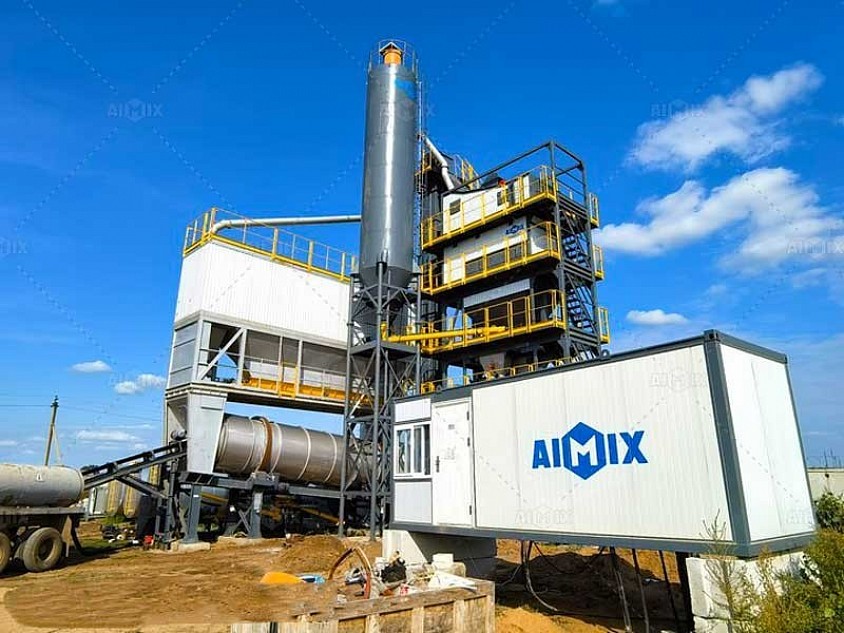
Can Mobile Asphalt Production Plant Reduce Imported Asphalt Dependence In Island Countries?
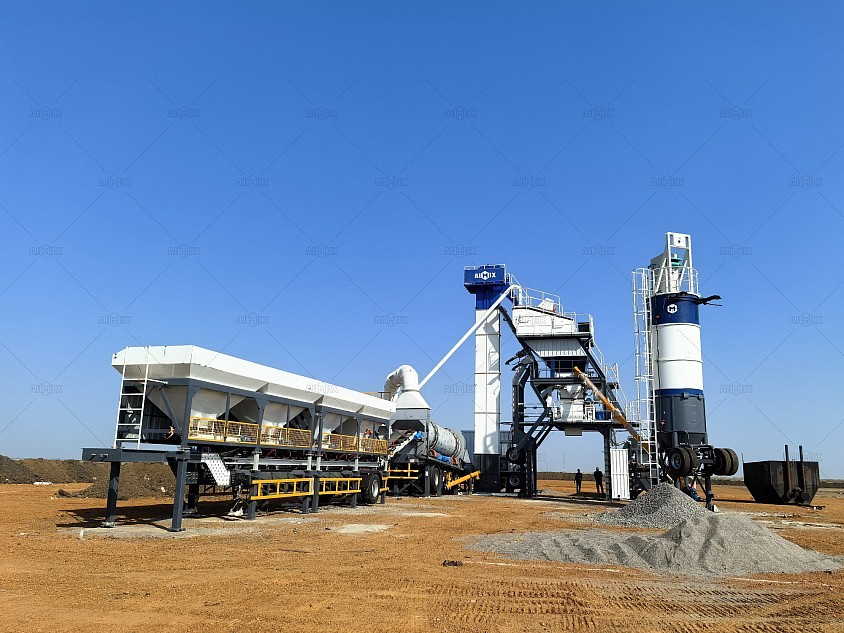
Island countries often face a difficult road construction problem. Infrastructure projects need a stable supply of hot asphalt mix, but imported asphalt can involve long transport routes, port handling, storage costs, and uncertain delivery schedules. These challenges become more serious when projects are located far from major ports or on smaller islands.
A mobile asphalt mix plant offers another approach. Contractors can produce asphalt mix closer to the project instead of purchasing every load from an external supplier. This can reduce dependence on imported finished asphalt materials and give contractors more control over production and delivery.
However, a mobile asphalt plant does not automatically eliminate imports. Bitumen, fuel, machinery parts, and some additives may still come from overseas. The real benefit comes from changing the supply chain. Instead of importing or transporting finished asphalt mix over long distances, contractors can use locally available aggregates and produce the required mix closer to the construction site.
Therefore, the key question is not simply whether a mobile asphalt production plant can replace imported asphalt. The better question is whether local asphalt production can make the entire project supply chain more reliable and economical.
Why Is Imported Asphalt A Challenge For Island Countries?
Before evaluating a mobile plant, contractors should understand where imported asphalt creates pressure. Island construction projects often face several connected challenges.
Long Transportation Routes
Asphalt mix must remain within a suitable temperature range during transportation and paving. Long-distance transport can therefore create practical limitations.
A project on a remote island may need asphalt mix to travel from a central production facility, port area, or another island. The longer the route, the more difficult it becomes to maintain delivery efficiency.
Port And Shipping Dependence
Imported materials depend on shipping schedules and port operations. Weather can also affect marine transportation.
For road contractors, this creates a simple but important risk. A delayed shipment can affect paving schedules, equipment utilization, labor arrangements, and project completion dates.
Limited Local Asphalt Supply
Smaller islands may not have enough asphalt suppliers to support large infrastructure programs. One supplier may serve several projects at the same time.
As a result, contractors may have limited control over production timing, mix availability, and delivery priorities. A project owner may therefore prefer a production solution that provides more direct control.
These problems lead to the next consideration: can contractors move asphalt production closer to the project instead?
How Can A Mobile Asphalt Production Plant Reduce Import Dependence?
A mobile asphalt production plant changes the location of asphalt production. Instead of transporting large quantities of finished asphalt mix from a distant supplier, contractors can establish a temporary or semi-permanent production point closer to the construction area.
This approach can reduce dependence on imported finished asphalt in several ways.
Use Local Aggregates
Aggregates often represent a large portion of asphalt mix by mass. Many island construction projects can source suitable crushed stone from local quarries, depending on geology, quality requirements, permits, and project specifications.
With suitable crushing and screening equipment, contractors can process local rock into the required aggregate sizes. The portable asphalt plant for sale can then combine these aggregates with bitumen and mineral filler according to the approved mix design.
This creates a more localized production chain:
Local Rock → Crushing And Screening → Aggregate Stockpiles → Asphalt Production → Road Paving
Compared with importing finished asphalt mix, this model can reduce the amount of finished material that needs to cross the sea.
Produce Asphalt Near The Project
Location is one of the strongest advantages of a mobile asphalt plant. Contractors can select a production site according to the project location, raw material supply, road access, and environmental requirements.
For example, a road rehabilitation project on a remote island may have limited access to an existing asphalt supplier. A mobile plant can potentially operate closer to the work zone if the site meets local requirements.
This can shorten the distance between production and paving. Consequently, contractors can improve delivery coordination and reduce the risk of long-haul transportation delays.
Reduce Finished-Mix Transportation
Asphalt mix is different from many conventional construction materials. Contractors must coordinate production, truck dispatch, transport, paving, and compaction.
If the asphalt plant is far away, more trucks may be required to maintain continuous paving. However, a plant closer to the project can reduce the required transport distance.
The exact saving depends on the project. Contractors should compare plant location, haul distance, truck capacity, fuel consumption, road conditions, and daily paving demand before making a decision.
How Does A Local Asphalt Supply Chain Compare?
For island projects, the most important change may not be the plant itself. It may be the change in the overall supply chain.
Instead of comparing only equipment prices, contractors should compare how each supply model affects transportation, production control, and project risk.
- Imported Finished Asphalt: This model mainly depends on shipping and external suppliers. Port delays, long-distance transportation, and delivery uncertainty can become major challenges. However, contractors do not need to establish their own asphalt production facility.
- Central Local Asphalt Plant: This model provides local production but may still require long-distance trucking when projects are far from the plant. It can work well when several projects are concentrated within the same area.
- Mobile Asphalt Plant: This model can move production closer to project locations. Contractors still need reliable local aggregates, bitumen, fuel, site access, permits, and operating staff. In return, the production location can better match project demand.
The mobile model can become particularly attractive when a contractor handles projects across different areas. Instead of building every project around one permanent production location, the contractor can evaluate whether moving the plant closer to the next project improves overall logistics.
Can It Reduce The Cost Of Imported Asphalt?
Potentially, yes. But contractors should avoid looking only at the purchase price of the asphalt plant.
The correct comparison should cover the complete delivered asphalt cost.
Compare Total Delivered Cost
For imported asphalt, the calculation may include material price, ocean freight, port charges, inland transportation, storage, handling, and potential delays.
For local production, the calculation may include aggregates, bitumen, fuel, electricity, labor, maintenance, plant depreciation, and site preparation.
A practical comparison can include the following cost items:
- Imported Asphalt Cost: Material price, shipping, port handling, inland transport, storage, and potential delivery-related costs.
- Local Production Cost: Aggregate, bitumen, fuel, labor, maintenance, transportation, plant investment, and site-related expenses.
This comparison provides a more realistic basis for investment decisions.
For smaller projects, purchasing a plant may not always provide the best return. However, contractors with repeated road projects may achieve better equipment utilization over several contracts.
Which Island Projects Can Benefit Most?
Not every island project requires a mobile asphalt plant. The strongest business case usually appears when several factors occur at the same time.
Remote Road Construction
Remote roads can face high asphalt transportation costs. A mobile hot mix plant may reduce the distance between production and paving.
This can be especially relevant for roads connecting rural communities, mining areas, agricultural zones, or tourism destinations.
Road Rehabilitation Programs
Road rehabilitation often involves repeated asphalt production over several work sections. A mobile plant can support phased construction when the project moves from one area to another.
Instead of transporting asphalt over long distances for every section, contractors can assess whether moving production closer to each work zone makes operational sense.
Airport And Port Infrastructure
Airports and ports often require strict construction schedules. Delays in asphalt delivery can affect other activities around the project.
Local production can provide greater control over asphalt supply. However, the contractor must still meet the project's technical specifications and quality control requirements.
Tourism And Resort Development
Island tourism projects may include access roads, parking areas, resort roads, and supporting infrastructure.
These projects are sometimes located away from established construction supply chains. A compact mobile asphalt production solution can therefore become useful when demand is large enough to justify local production.
What Should Contractors Check Before Buying?
A mobile asphalt plant is a production system, not simply a machine. Contractors should evaluate the entire operating environment before placing an order.
Check Aggregate Availability
Start with the local quarry situation. Determine whether suitable rock exists near the project.
Then check aggregate quality, gradation, production capacity, haul distance, and local permits. If local aggregates cannot meet the mix design, importing aggregates may reduce the expected benefit.
Check Bitumen Supply
Even when aggregates come from local sources, bitumen may still need to be imported.
That does not mean the mobile plant fails to reduce import dependence. The objective is to reduce dependence on imported finished asphalt mix, while optimizing the remaining imported inputs.
Contractors should therefore confirm bitumen availability, storage requirements, delivery frequency, heating systems, and supplier reliability.
Check Daily Asphalt Demand
Capacity should match real project demand. A larger plant does not automatically create better economics.
For example, a contractor should compare expected daily asphalt demand with plant capacity, paving speed, truck availability, and working hours.
A 60–80 TPH mobile plant may suit some medium-scale projects, while larger road programs may require higher production capacity. The correct capacity depends on the project schedule rather than the largest available model.
Check Site Conditions
Island projects often have unique site constraints. Contractors should check road access, terrain, drainage, power supply, fuel availability, water, aggregate stockpile space, and plant foundation requirements.
A mobile design can simplify relocation. However, the site still needs enough space for safe operation and material handling.
Can Mobile Asphalt Production Improve Project Control?
Cost reduction is only one part of the value.
Contractors also gain more control over production scheduling. They can coordinate asphalt production with paving operations instead of relying entirely on an external supplier.
This can become important when paving windows are short. It can also help when several project activities depend on asphalt delivery.
Moreover, local production gives contractors a clearer view of material consumption. Production records can help track aggregate usage, bitumen consumption, fuel consumption, and output.
However, better control requires competent operators and proper quality management. Contractors still need laboratory testing, approved mix designs, temperature control, calibration, and regular maintenance.
Does A Mobile Asphalt Plant Eliminate Asphalt Imports?
Usually, no. This is an important distinction for buyers.
A mobile asphalt plant can reduce the need to import finished asphalt mix. It does not necessarily remove the need to import bitumen, spare parts, burners, electrical components, or other inputs.
The practical goal is therefore local asphalt production with optimized imports.
This approach can make more sense than trying to eliminate every imported component. Island economies often depend on international supply chains. The better strategy is to reduce the most expensive and logistically difficult part of the supply chain.
When Does A Mobile Plant Make Business Sense?
The investment becomes more attractive when the contractor has sufficient and repeatable asphalt demand.
Several conditions can strengthen the business case:
- Long transportation distances from existing asphalt suppliers.
- High shipping or port handling costs.
- Reliable local aggregate sources.
- Several road projects in the same region.
- Remote or geographically dispersed construction sites.
- A need for better control over asphalt delivery schedules.
- Enough asphalt demand to keep the plant productive.
Conversely, a mobile plant may be less attractive for a small one-time project with limited asphalt demand and easy access to an established supplier.
Therefore, contractors should calculate expected plant utilization over the entire project pipeline. A plant used across several projects can have a very different return from a plant used for only a few weeks.
How Can Contractors Build A More Resilient Island Asphalt Supply Chain?
The strongest solution usually combines equipment, local resources, and careful logistics.
Develop Local Aggregate Resources
Where geology and regulations allow, local quarry resources can support asphalt production. A crushing and screening system can prepare aggregates for the asphalt plant.
This reduces reliance on imported aggregate and creates a stronger local material chain.
Plan Bitumen Storage
Since bitumen may remain an imported material, storage planning becomes important. Contractors should maintain enough supply to avoid production interruptions while avoiding unnecessary inventory costs.
Coordinate Production And Paving
The plant should operate according to the paving schedule. Truck availability must match plant output and paving demand.
This prevents a common problem: producing asphalt faster than trucks can deliver it or paving faster than the plant can supply it.
Prepare A Maintenance Plan
Island locations may have limited access to technical services. Contractors should therefore plan spare parts, routine maintenance, operator training, and technical support before production begins.
A mobile plant can improve supply flexibility, but reliability still depends on proper maintenance and support.
Why Is Mobile Asphalt Production Becoming A Strategic Option?
Island infrastructure development depends heavily on logistics. Roads, airports, ports, bridges, industrial facilities, and tourism projects all need reliable construction materials.
When finished asphalt must travel across the sea or over long inland routes, logistics can become a major part of project risk.
A mobile asphalt production plant addresses this problem by moving production closer to demand. At the same time, local aggregates can replace part of the imported material chain.
The result is not complete independence from international materials. Instead, it is a more flexible supply model.
For contractors, that difference matters. They can control more of the production process, respond faster to project requirements, and potentially reduce the logistical burden associated with imported finished asphalt.
Final Takeaway For Island Country Contractors
So, can a mobile asphalt production plant reduce imported asphalt dependence in island countries?
Yes, it can, especially when projects are remote, asphalt transportation is expensive, local aggregates are available, and the contractor has enough recurring demand.
The strongest benefit comes from replacing long-distance transportation of finished asphalt with local production. Contractors can source suitable aggregates locally, combine them with bitumen, and produce asphalt closer to the paving site.
Still, the investment requires careful analysis. Buyers should evaluate aggregate quality, bitumen supply, daily demand, transportation distance, plant capacity, site conditions, permits, maintenance, and long-term equipment utilization.
In other words, the right mobile asphalt plant is not simply the plant with the highest output. It is the plant that fits the island's resources, logistics, project schedule, and future construction pipeline.
Talk With An Asphalt Plant Specialist Before Your Project Starts
If you are planning road construction, airport development, port infrastructure, or highway rehabilitation on an island, start with the supply chain rather than the machine price.
Review your aggregate sources, asphalt demand, transport distance, bitumen supply, and project schedule first. Then select the plant configuration that matches those conditions.
AIMIX can help contractors evaluate mobile asphalt production requirements, plant capacity, material flow, site conditions, and project logistics. A project-specific assessment can help you determine whether local asphalt production can reduce imported finished asphalt and improve supply reliability.
Can a 100 TPH Asphalt Plant Maintain 85 Tonnes Per Hour With Wet Aggregates and Frequent Material Changes?
A 100 TPH asphalt plant may maintain an output of 85 tonnes per hour with wet aggregates and frequent material changes, but the rated capacity alone cannot guarantee this result. Actual production depends on aggregate moisture, drying efficiency, mix design, burner performance, material feeding, and the time required to change production recipes.
For road contractors and asphalt producers, the key question is not simply whether a 100 TPH plant can reach 85 TPH. It is whether the plant can maintain that output under the conditions of a real project without excessive fuel consumption, inconsistent mix quality, or repeated production interruptions.
This guide explains how wet aggregates and frequent material changes affect production, what contractors should measure during a trial run, and when a higher-capacity asphalt plant may be a better investment.
1. Is 85 TPH a Realistic Target for a 100 TPH Asphalt Plant?
An 85 TPH target represents 85% of a plant's nominal 100 TPH capacity. Under suitable operating conditions, this target may be achievable. However, the nominal rating is not a promise of continuous output under every combination of moisture, aggregate gradation, mix temperature, and operating schedule.
Before selecting an asphalt plant for sale, clarify how the manufacturer defines its rated capacity. The rating may depend on specified aggregate moisture, material temperature, fuel conditions, and other test parameters. If the actual project conditions differ, the available production capacity may also differ.
Check the Difference Between Rated Output and Actual Output
- Rated capacity: The nominal production rate under the manufacturer's specified operating conditions.
- Steady-state output: The tonnes produced per hour after the plant has reached stable operating conditions.
- Shift-average output: The total tonnes produced divided by the entire working period, including interruptions and material changes.
- Saleable output: The amount of asphalt mix that meets the project's quality requirements and can be delivered or placed.
These figures can differ significantly. A plant might produce 85 tonnes during one hour of stable operation but deliver a lower average across a full shift because of warm-up, recipe changes, loading delays, or maintenance.
2. How Wet Aggregates Affect Asphalt Plant Production
Aggregate moisture is one of the main factors affecting asphalt production. Before the plant can mix aggregates with bitumen, the drying system must remove the moisture and heat the material to the required temperature. More water generally means more energy and time are needed to prepare the aggregates.
Why Moisture Reduces Available Capacity
- Higher drying demand: The dryer must use more energy to evaporate water before the aggregates reach the required temperature.
- Longer heating requirements: Wet material can limit the amount of aggregate that the system can process while maintaining the required discharge temperature.
- Higher fuel consumption: Additional heat is required to remove moisture, which may increase fuel use per tonne of finished asphalt.
- Less operating margin: The plant may need to reduce aggregate feed rates if the burner and dryer cannot maintain the required thermal conditions.
- Greater operating variability: Rainfall, inconsistent stockpile drainage, and changing moisture levels can make production less predictable.
The effect depends on the actual moisture content, the dryer design, burner capacity, aggregate feed rate, ambient conditions, and required mix temperature. Therefore, a contractor should not assume that every 100 TPH hma plant will produce the same output from wet material.
Measure Moisture Instead of Guessing
Stockpiles can have different moisture levels even when they contain the same aggregate type. Surface material may dry quickly after rain, while material deeper in the pile remains wet. Fine aggregates can also retain moisture differently from coarse aggregates.
- Measure moisture in representative samples from each aggregate stockpile.
- Repeat measurements after heavy rainfall and whenever stockpile conditions change.
- Check whether the cold-feed settings reflect the actual aggregate condition.
- Record moisture readings alongside fuel use, feed rate, and finished output.
- Coordinate stockpile handling with production planning so that wetter material does not create unexpected bottlenecks.
These measurements help the production team identify whether a capacity problem comes from wet material, inaccurate feed settings, insufficient drying performance, or another part of the process.
3. Can the Plant Maintain 85 TPH at Different Moisture Levels?
There is no universal moisture threshold that guarantees 85 TPH. The result depends on the plant's actual thermal capacity and the operating conditions specified by its manufacturer. Instead of relying on a generic percentage, contractors should test the plant with representative aggregates from the project.
Evaluate the Operating Conditions
- Low and stable moisture: The plant may have more capacity available for aggregate heating and asphalt production, provided that other systems can support the target.
- Moderate or variable moisture: Output may fluctuate as the dryer handles changing water content. Regular moisture checks and feed adjustments become more important.
- High moisture after rainfall: Drying demand can increase substantially. The plant may need to reduce feed rates to maintain aggregate temperature and mix quality.
- Wet fine aggregates combined with frequent recipe changes: The production team must manage both thermal demand and transition time, making shift-average output particularly important.
These are operating scenarios, not guaranteed production ratings. Ask the manufacturer to explain the expected capacity under the project's actual moisture conditions and to identify the assumptions behind any performance estimate.
4. How Frequent Material Changes Affect Production
Changing aggregate sources, gradations, or asphalt mix designs can interrupt otherwise stable production. The effect depends on what changes, how the plant is configured, and how the operator manages each transition.
Changes That May Affect Output
- Aggregate gradation: A new blend may require different cold-feed proportions and adjustments to the production recipe.
- Aggregate source: Material from another quarry may have different moisture, particle shape, gradation, or heating characteristics.
- Mix design: Different asphalt mixtures may require revised aggregate proportions, filler settings, bitumen content, or mixing parameters.
- Production temperature: A change in the required temperature can alter the heating demand and operating conditions.
- Material availability: A delay in replenishing one aggregate fraction can interrupt the intended feed balance.
Not every recipe change requires a full shutdown. However, some changes require adjustments, checks, and confirmation that the finished mix meets the approved design. Operators should follow the plant manufacturer's procedures and the project's quality-control requirements.
Separate Production Rate From Changeover Time
Suppose a plant produces 85 tonnes per hour while running steadily for seven hours. It produces 595 tonnes during those seven hours. If the working shift lasts eight hours, the shift-average output is approximately 74.4 tonnes per hour, assuming the remaining hour produces no additional material.
This example shows why a plant can achieve its target during stable production but fail to maintain the same average across the whole shift. Warm-up, material changes, truck availability, quality checks, and maintenance all affect total daily production.
When comparing plant options, ask for both steady-state output and expected shift-average output. For projects with several mix designs, changeover time can be as important as nominal capacity.
5. How to Improve Output With Wet Aggregates and Frequent Changes
Contractors do not always need a larger plant to improve production. Better stockpile management, more disciplined scheduling, and accurate process monitoring may help the existing system operate more consistently.
Improve Aggregate Storage and Handling
- Provide suitable drainage around aggregate storage areas.
- Keep stockpiles separated to reduce contamination between aggregate sizes.
- Use stockpile management practices that reduce unnecessary water accumulation.
- Check moisture after rainfall instead of relying on readings from previous shifts.
- Coordinate deliveries so that the required aggregate fractions remain available throughout production.
Organize the Production Schedule
- Group similar mix designs where project requirements allow.
- Confirm the next recipe, aggregate supply, and truck schedule before making a change.
- Prepare required settings and quality-control checks in advance.
- Record the start and end time of each changeover.
- Track rejected material, waiting time, and unplanned stops to identify recurring losses.
Production scheduling must remain consistent with the approved mix design and delivery requirements. Do not sacrifice quality checks simply to shorten changeover time.
Monitor the Entire Production System
The dryer is not the only component that determines output. A plant may have adequate drying capacity but still struggle to sustain 85 TPH because another component limits the process.
- Cold-feed system: Check whether feeders can deliver the required aggregate blend consistently.
- Dryer and burner: Confirm that the system can handle the actual moisture level and required production temperature.
- Hot aggregate handling: Check elevator, screening, and hot-bin performance where applicable to the plant configuration.
- Filler and bitumen systems: Verify that these components can supply the required quantities at the target production rate.
- Mixing system: Confirm that mixing and discharge cycles can support the required output and quality.
- Dust collection: Maintain the system according to manufacturer instructions and applicable environmental requirements.
- Truck loading and dispatch: Coordinate transport availability with production so that finished mix does not accumulate unnecessarily.
6. How to Verify Whether a 100 TPH Plant Can Sustain 85 TPH
The most reliable approach is a performance test based on actual project conditions. A brief demonstration with dry aggregates and one mix design may not represent a project that uses wet materials and changes recipes several times per shift.
Use a Practical Trial-Run Checklist
- Define the target: Specify whether 85 TPH means steady-state output or average production over the entire shift.
- Document the materials: Record aggregate types, gradations, moisture levels, and the mix designs to be produced.
- Confirm operating assumptions: Ask the manufacturer to state the conditions used to estimate the plant's capacity.
- Test representative moisture conditions: Use project-relevant aggregates instead of relying only on ideal dry material.
- Include material changes: Test realistic transitions between the mix designs expected on the project.
- Measure actual output: Record finished tonnes over defined time intervals and distinguish running time from stoppage time.
- Monitor fuel consumption: Record fuel use alongside output to evaluate the effect of wet aggregates.
- Check mix quality: Confirm that the finished asphalt meets the approved project specifications during the test.
- Review interruptions: Record delays caused by feed adjustments, maintenance, loading, or material shortages.
- Repeat where necessary: Use enough representative operating time to distinguish a stable result from a short production peak.
Agree on the testing method and acceptance criteria with the supplier before the trial. This makes the results easier to compare with the project's actual production requirements.
7. Should You Choose a Higher-Capacity Asphalt Plant?
A 100 TPH asphalt batch mix plant may be suitable if the project needs 85 TPH during stable production and the plant can demonstrate that performance under the expected conditions. However, a higher-capacity model may be worth evaluating if wet aggregates, demanding temperatures, long operating hours, or frequent changes consistently reduce available production time.
Questions to Ask Before Investing
- Is 85 TPH the required steady production rate or the minimum shift-average output?
- What are the normal and worst-case aggregate moisture levels at the project site?
- How many different mix designs will the plant produce in a typical shift?
- How long does each material change take under the proposed operating procedure?
- Can the dryer, burner, feeders, mixing system, and supporting equipment handle the target simultaneously?
- What fuel consumption should be expected under representative moisture conditions?
- What happens to the project schedule if output falls below the target after rainfall?
- Would a higher-capacity plant provide useful operating margin, and would the additional investment be justified?
Do not choose a larger plant based only on its nameplate capacity. Compare expected output, energy consumption, installation requirements, operating costs, maintenance, and project duration. A larger unit may provide more headroom, but it does not automatically solve poor stockpile management, inefficient scheduling, or downstream bottlenecks.
8. Calculate the Production Requirement for Your Project
Before requesting a quotation, convert the construction schedule into a clear production target. The following calculation is a useful starting point:
Required average output (TPH) = Total tonnes required ÷ Available production hours
For example, if a project requires 680 tonnes in eight available production hours, the required shift average is 85 TPH. If those eight hours include warm-up, recipe changes, maintenance, or loading delays, the plant must either produce faster during running periods or reduce nonproductive time to meet the target.
This calculation helps distinguish the plant's required running capacity from the production rate needed across the full shift. It also helps determine whether the project needs a 100 TPH plant, additional capacity, a different production schedule, or improvements to material handling.
Conclusion: Verify Real Production Conditions Before Choosing a Asphalt Plant
A 100 TPH asphalt plant can potentially maintain 85 TPH, but wet aggregates and frequent material changes make actual performance dependent on the complete production system. Aggregate moisture increases drying demand, while recipe transitions and interruptions reduce the time available for continuous production.
For a reliable decision, evaluate steady-state output and shift-average output separately. Measure aggregate moisture, monitor fuel use, test representative mix designs, and record changeover time during the trial run. Confirm that the plant can meet the required production rate while maintaining asphalt quality.
At AIMIX, we recommend evaluating asphalt plant capacity against the actual project conditions rather than relying on nominal output alone. Share your target tonnage, aggregate moisture conditions, mix designs, expected daily working hours, and project location with our team. We can help assess the suitable plant capacity and the key operating factors to verify before investment.
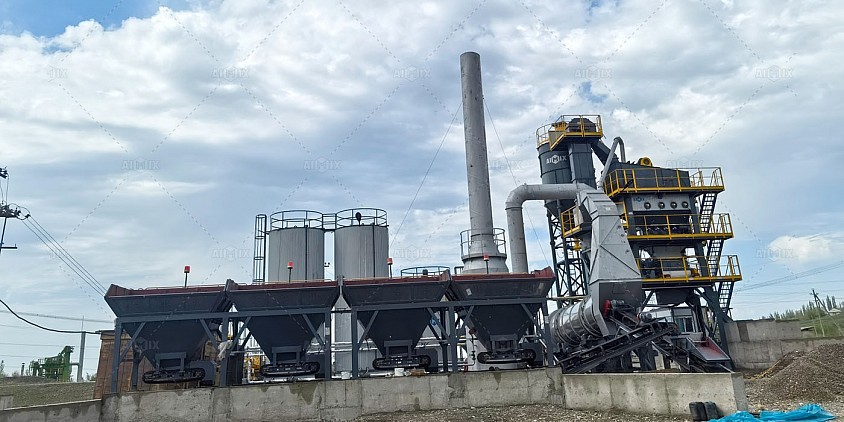
100tph asphalt batching plant for road construction in Kyrgzstan